Ryder Cup Betting: Format, Markets and the Home-Soil Edge
 Available in US
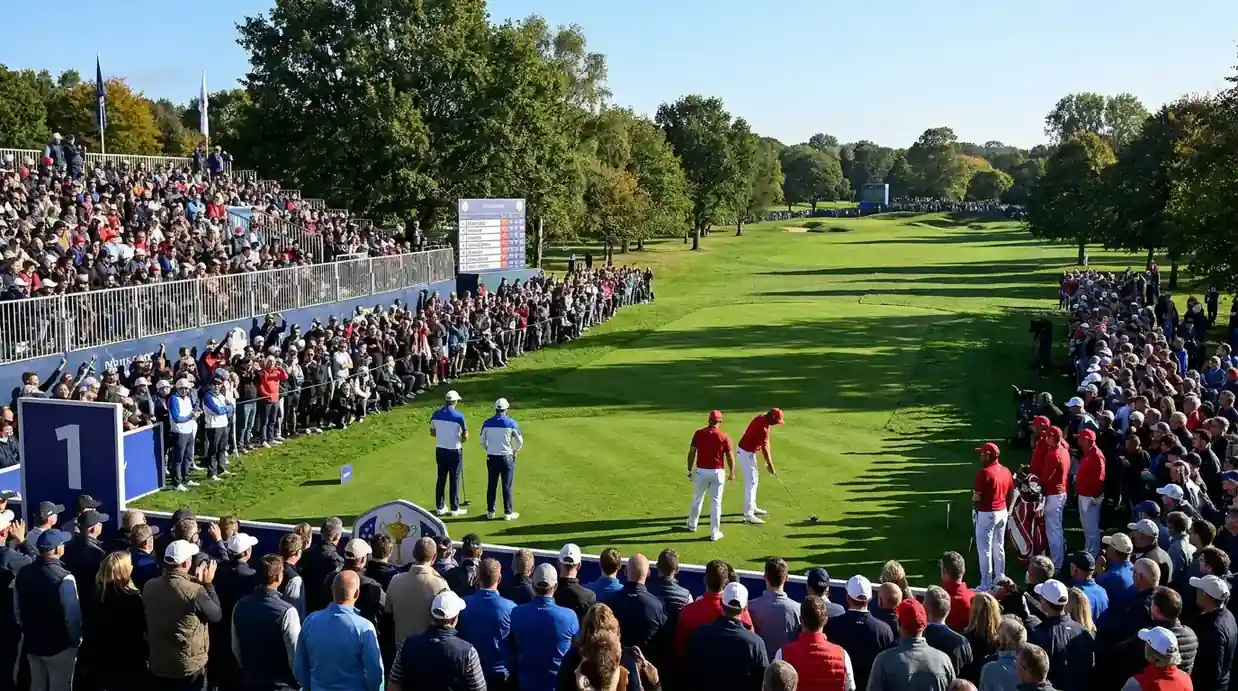
The Ryder Cup is the only golf event where I tear up my entire stroke-play model and start over. Team match-play across three days, fourballs and foursomes mixed with singles, captain’s picks and pairing dynamics — none of it behaves like a Major. I’ve bet every Ryder Cup since the 2008 edition at Valhalla and the lesson I’ve taken from each one is the same: the headline outright market is rarely where the value sits, but the session-by-session and points-scorer markets are full of mispricings. This piece is the framework I work to every two years.
A different format requires a different model
A reader emailed me before the 2023 Cup asking why his usual outright golf model had told him to back the wrong team. The answer was format. The Ryder Cup runs four sessions of fourballs and foursomes on Friday and Saturday, then twelve singles matches on Sunday — 28 matches in total worth 28 points. The team that reaches 14.5 wins, or 14 if the holder draws.
That format makes individual player form less predictive than usual. A player who has lost ten strokes per round on the PGA Tour can still go 3-0 in a Ryder Cup if his foursomes partner shoulders the heavy lifting on iron play. The match-play scoring also caps downside: you can’t lose by more than the holes left in the match, so a player having a bad week can still scrape a half-point from a tied match on the 18th.
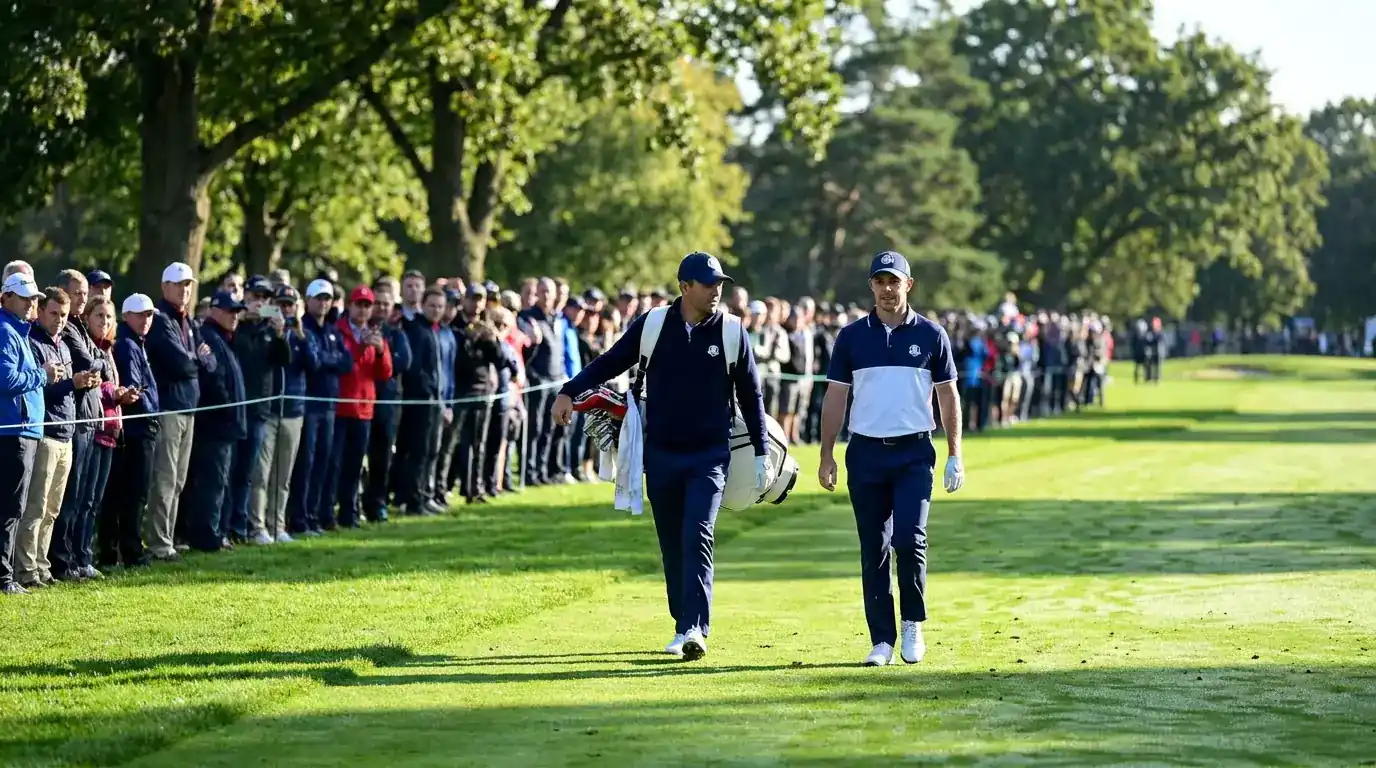
My approach is to treat the Ryder Cup as twelve interconnected betting events rather than one big stroke-play outright. The captain’s pairings are the variable that most distorts pricing — once the Thursday afternoon pairings are released, the prices on individual sessions move sharply, and the early-week outright market often hasn’t priced the likely pairings correctly.
The home-soil edge in the data
Home-soil advantage in the Ryder Cup is real and large. Since 1995 there have been only three away victories in the Ryder Cup, a stretch covering fourteen editions. That’s a 79 percent home-team win rate, and the prices on the home team’s outright haven’t always reflected the scale of that pattern.
Why is the home edge so durable? Three reasons. First, the home captain sets up the course — green speeds, rough lengths, fairway widths — to suit the home team’s playing style. Second, the home crowd is overwhelming. Third, the home captain controls the venue’s familiarity, which matters more in match-play where every short-game miss carries match-changing weight.
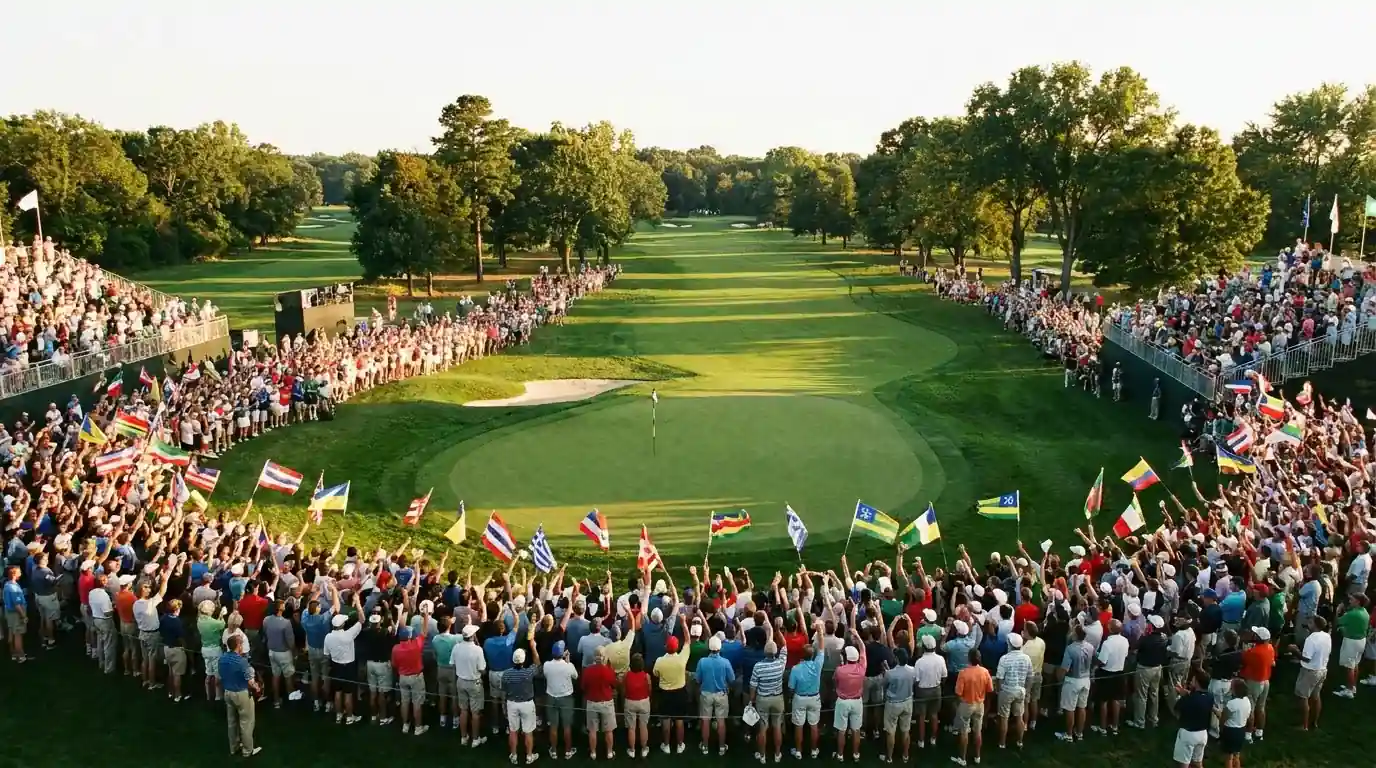
The implied probability at most UK firms on the home team in modern Ryder Cups has hovered between 52 and 58 percent. The realised win rate since 1995 is 79 percent. That’s a gap I’ve found difficult to ignore, and it’s been the cornerstone of my Ryder Cup outright betting for over a decade. The closing prices at recent Ryder Cups have moved closer to the data, but the early-market pricing in the spring before a Cup still tends to under-weight the home edge.
The headline markets and where the money flows
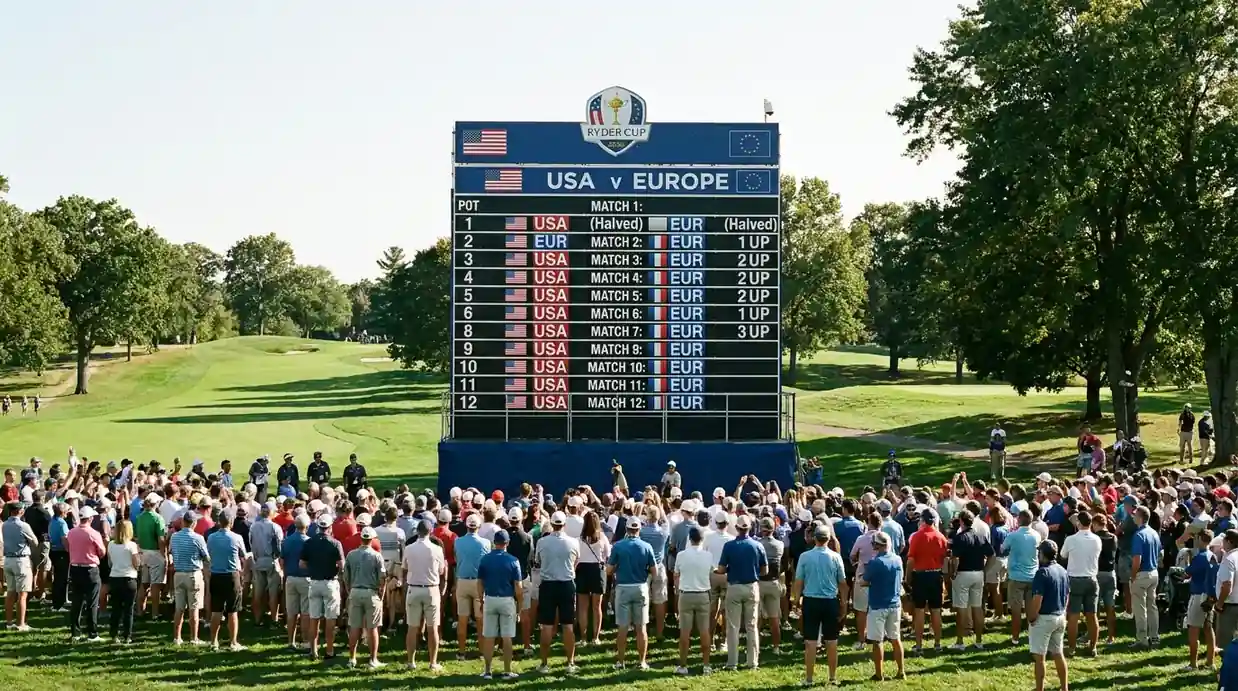
The 2025 Ryder Cup at Bethpage Black gave us a cleaner picture of how Ryder Cup money flows than any prior edition. Tickets sold for the event reached 58 percent on the USA side, but more strikingly, the BetMGM handle showed roughly 70 percent of the action and 68 percent of the money going to the United States. ESPN BET reported the tie market sat at 4.6 percent on the day — a number that consistently surprises Ryder Cup newcomers.
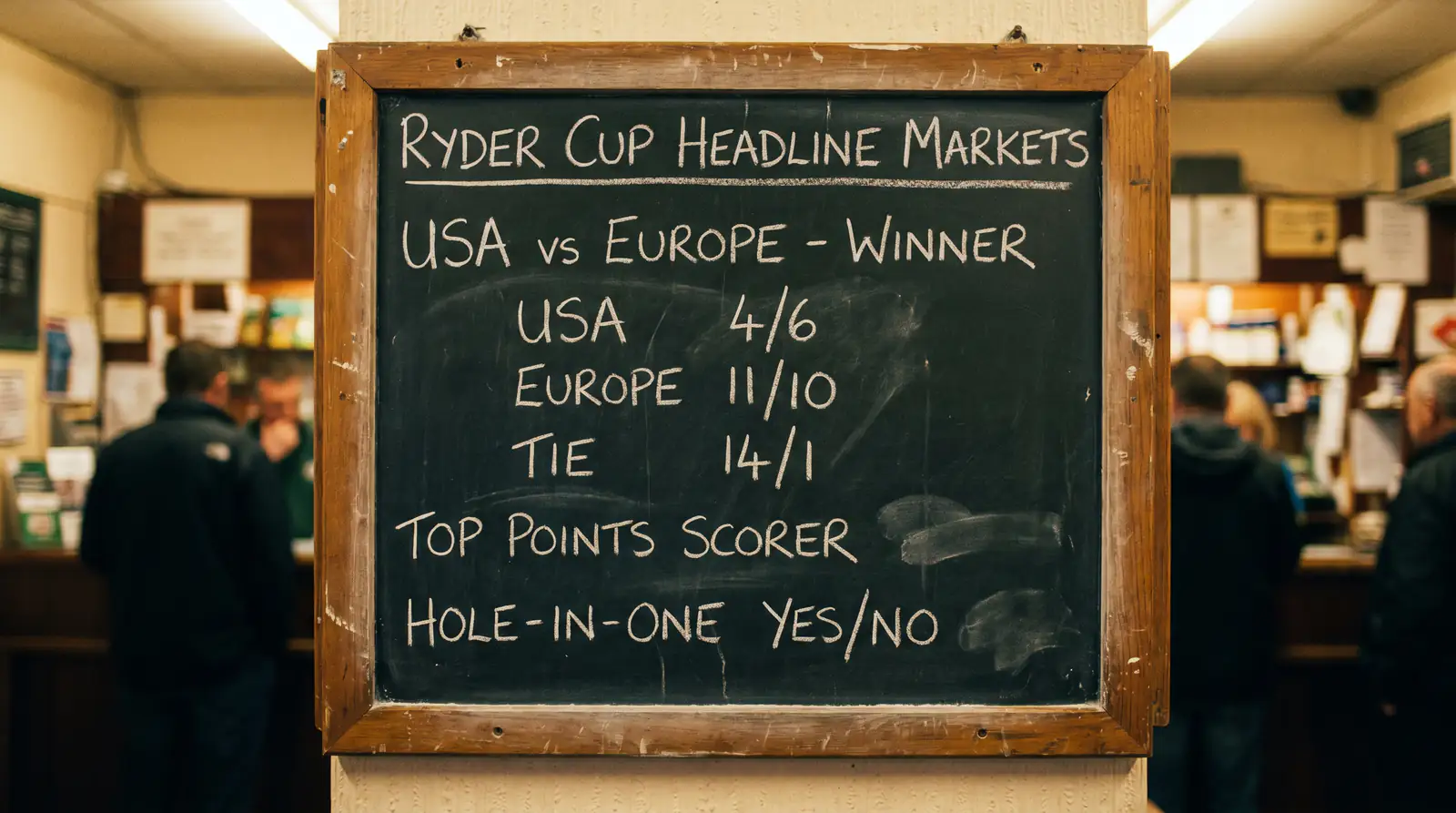
That tie probability matters. In a three-day team competition with 28 points available, a tied final score of 14-14 happens more often than the casual punter expects. I’ll happily take 4.6 percent on the tie if I’m comfortable that both teams are roughly evenly matched on paper, because the implied probability in a competitive year sits closer to 7 percent in my own modelling.
The broader question of how Major championship markets behave under different formats is something I’ve covered in golf major championship betting, and the Ryder Cup is the most extreme example of how format change rewrites all the standard math.
Top points scorer and the pairings effect
Top points scorer is my favourite Ryder Cup market. It pays out on the player from either team who accumulates the most points across the three days, with five matches available — two fourballs, two foursomes and one singles — for any player a captain rides hard.
The key is who plays five matches versus who plays four versus who plays three. Captains rest players for various reasons — fatigue, format weakness, pairing chemistry — and the players who get all five matches have a structural lead in the points-scorer race. UK firms price top points scorer based on individual form, but the bigger factor is captain trust. A player who is universally identified as a captain’s pet typically gets the full five matches even if his individual form is mid-table.
I pay close attention to the rookie market within points scorer. Top rookie has been a profitable narrower market for me because rookies are often priced based on PGA Tour form, but rookie selection by the captain typically goes to players who fit a foursomes partnership profile. That mismatch creates value on the rookie chosen for chemistry rather than headline ranking.
Session-by-session edges
The session markets are where I do most of my Ryder Cup work. Friday morning fourballs, Friday afternoon foursomes, Saturday morning fourballs, Saturday afternoon foursomes, then Sunday singles — five distinct sessions, each with its own pricing problem.
Fourballs reward birdies. Foursomes reward conservative shot-making. The pairing each captain sends out for each session is a tell about how he views the match-up. UK firms post session-winner markets and individual match-up markets within each session. The session-winner market is liquid; the individual match-up market is thin and the prices move slowly.
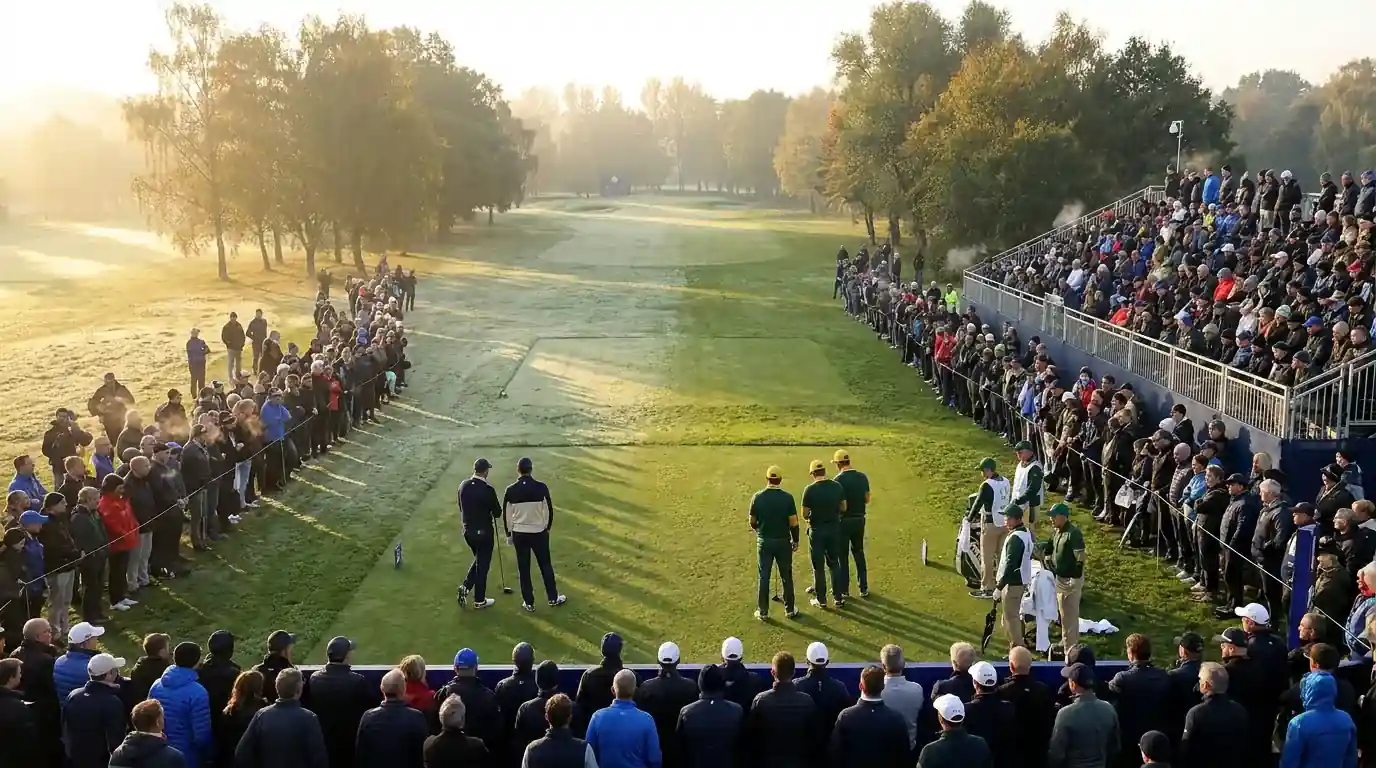
My pattern is to wait for both teams’ pairings to be released — usually about 12 hours before each session starts — and then to bet the individual match-ups within the session rather than the session winner. A 3-2 session win is roughly a coin-flip; an individual fourball between a settled pairing and a thrown-together pairing is often a 60-40 edge that hasn’t been priced.
Each-way and winning-margin markets
Each-way doesn’t really exist for the Ryder Cup outright — there’s no “place” in a two-team match — but UK firms post winning-margin bands as a soft equivalent. Typical bands are 14-14 (tie), 14.5-13.5, 15-13, 15.5-12.5, 16-12 and so on, sometimes grouped into wider ranges like “winning team by 1-3 points” and “winning team by 4-6 points”.
The winning-margin market is consistently softer than the headline outright. Why? Because pricing exact margins in a 28-point team competition is genuinely hard, and the algorithms UK firms use to derive these bands from the outright odds tend to over-price tight margins and under-price wider ones. I’ve found the “winning team by 4-6 points” band to be reliably under-priced when the home team is heavily favoured.
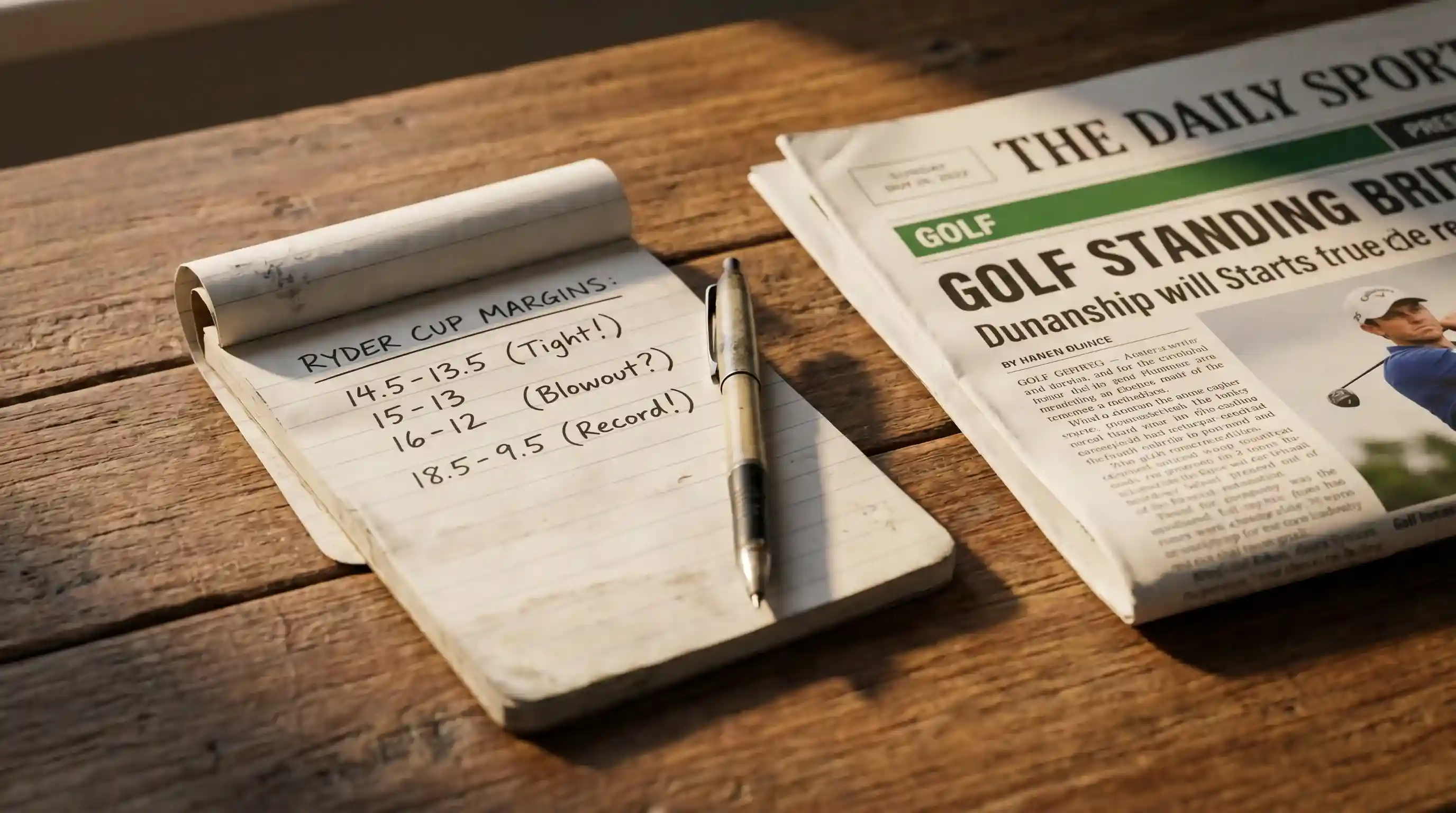
I’ll combine an outright win bet with a wider winning-margin bet when the home edge is strong. The two bets correlate but they’re not the same bet, and a strong home performance produces a wider margin more often than the published prices suggest.
What I keep in mind from Friday morning to Sunday evening
The Ryder Cup is forty hours of match-play golf compressed into three days, and the betting market evolves hour by hour. The pre-tournament outright is the least dynamic price of the week. The session-by-session and individual match-up markets reprice constantly. The captain’s choices on day one set the pairing patterns for the rest of the week.
My discipline has always been to start with the home-soil edge as the base case, then to layer session bets and points-scorer bets as the pairings reveal themselves, then to use live in-play sparingly on Sunday singles. The Ryder Cup punishes punters who treat it like a standard tournament. The ones who respect the format, study the captains and stay flexible across the three days come out ahead more often than not.
Captains rest players for three reasons: fatigue across a long week, format-specific weakness in either fourballs or foursomes, and pairing chemistry that limits which partners are available. A player resting from a single session may still play four matches in total. Full five-match runs typically go only to the player or two the captain trusts most. The tie market at the Ryder Cup is wider than at most golf events because a 14-14 tied score is genuinely possible in a 28-point competition. Modern bookmakers price tie probabilities in the 4 to 8 percent range depending on team strength. The holder retains the trophy on a tie, which adds asymmetric value to the holder side of the outright but doesn’t change the tie price itself.Why do captains rest players from full participation?
Why is the tie market so wide at the Ryder Cup?
Prepared by the Golf bet editorial staff.