US PGA Championship Betting: Reading the Rotating-Venue Risk
 Available in US

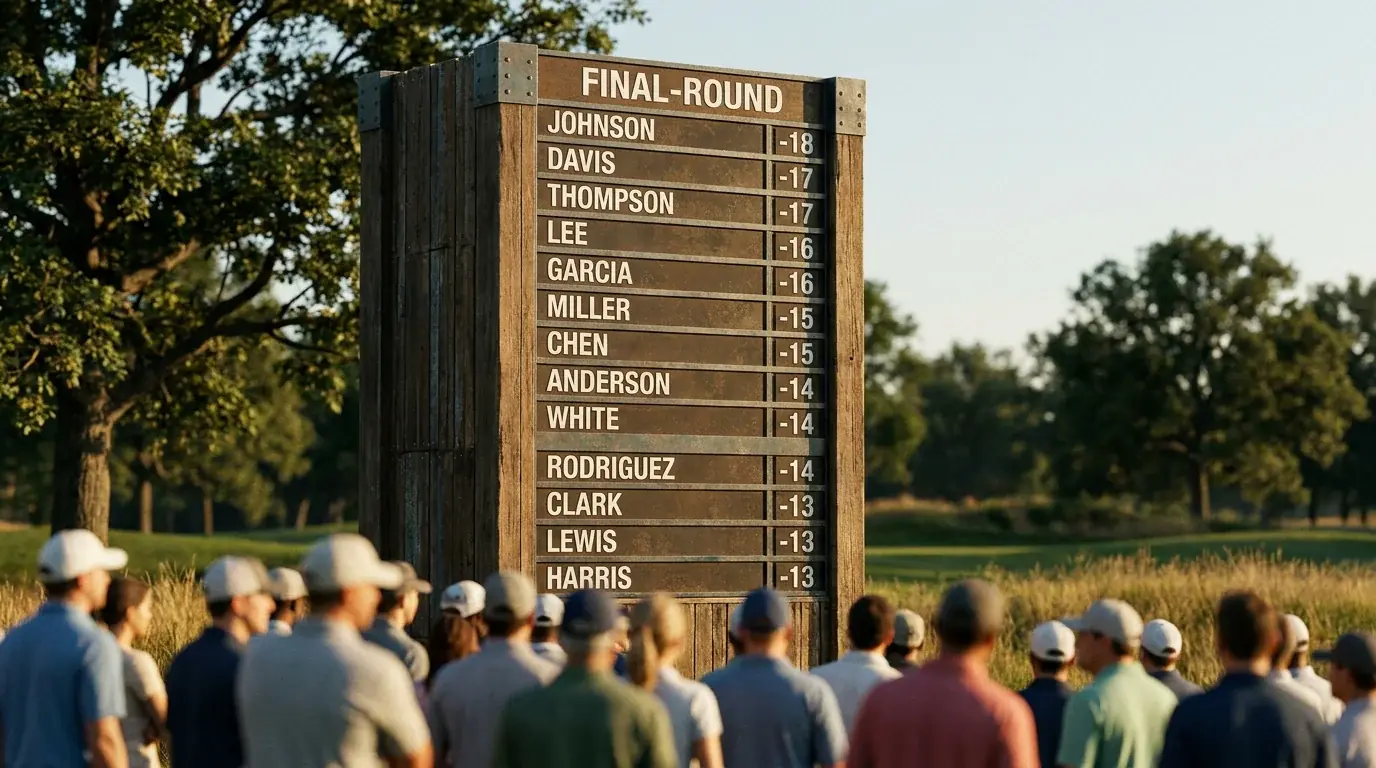
The US PGA Championship is the Major I get the most questions about and the one I find hardest to model from week to week. Unlike the Masters at Augusta or the US Open’s familiar USGA setups, the US PGA moves between venues that share almost nothing in common — Quail Hollow’s water-soaked Carolina parkland one year, Kiawah’s wind-swept ocean course the next, then Oak Hill’s claustrophobic east-coast classic. Each one demands a different player profile and a different betting approach. This piece is how I read the rotating-venue risk and find prices that the market hasn’t fully absorbed.
The strongest field of any Major
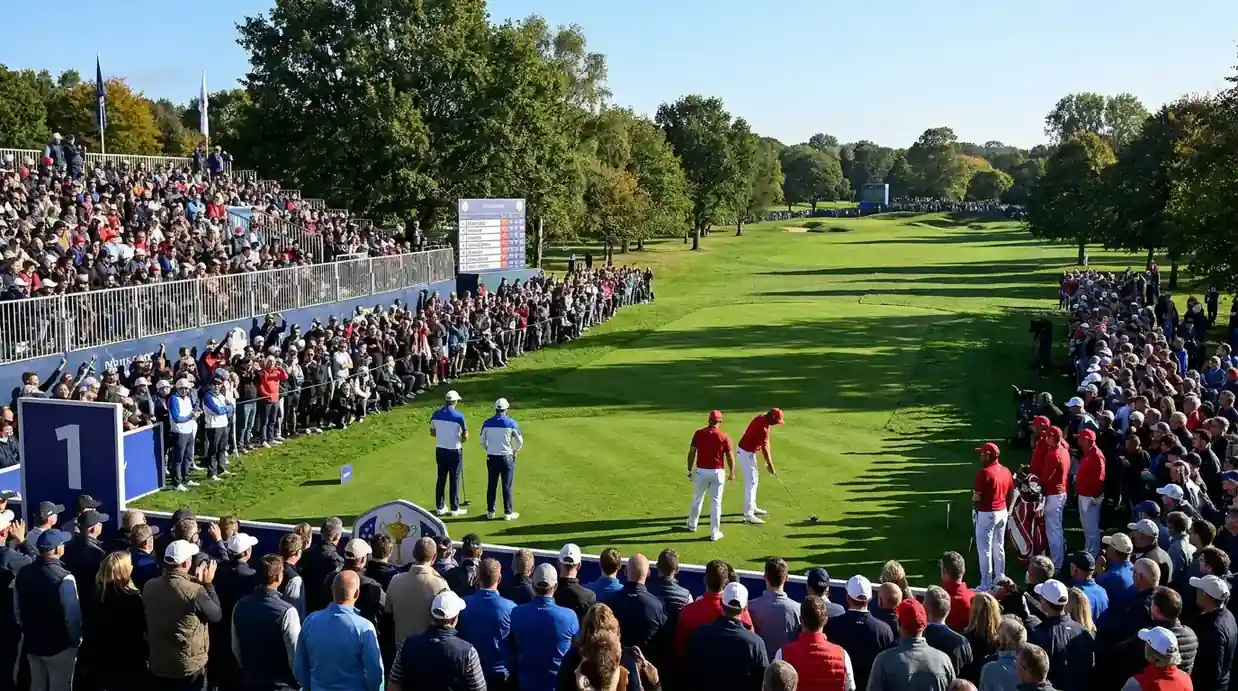
A reader once described the US PGA to me as the Open Championship’s “boring American cousin”. I told him that’s exactly why it’s a brilliant betting event. With 156 players and the strongest field on paper of any Major — typically 98 or 99 of the world’s top 100 — there’s no soft underbelly to dilute the leaderboard. Every name in the field is a credible professional.
UK gross gambling yield in 2025 sat at £15.6bn, and online betting through Q1 2025 alone reached £596m, up around 5 percent year-on-year. The US PGA week traditionally pulls a healthy share of that golf-specific handle because the format is straightforward — 72 holes stroke-play, top 70 and ties make the cut, no qualifying narratives to dilute the field. Punters who like clean parameters gravitate to it.
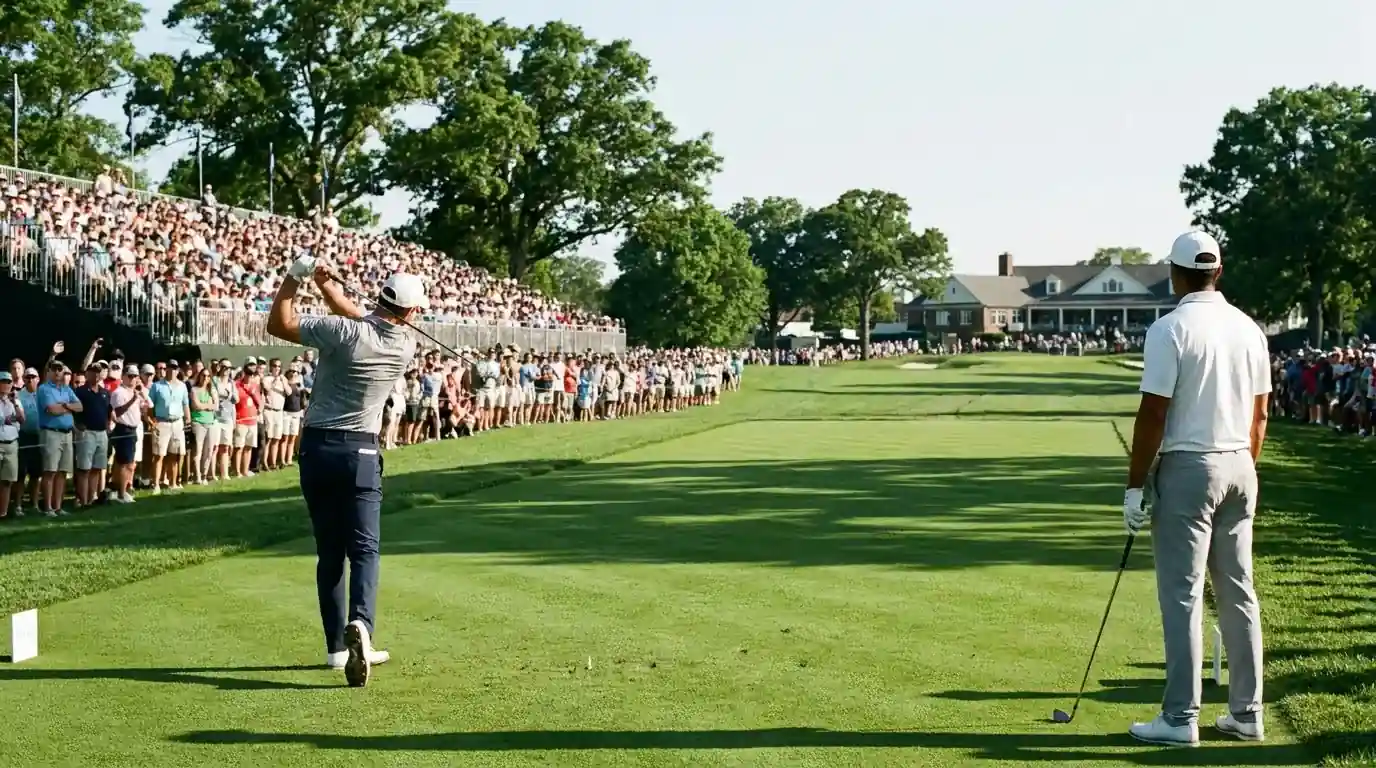
That cleanliness is exactly what makes the rotating venue so interesting. Every other variable is held constant — strong field, conventional cut, standard purse — which means the course itself is doing all the differentiating work in determining the leaderboard.
Venue rotation as a pricing problem
I started keeping a US PGA host-venue spreadsheet in 2015. The reason is simple: there’s no continuity of course-specific data the way there is for the Masters or the US Open. A player who finished sixth at Kiawah in 2021 has no useful Augusta-style course history when the championship returns there years later — the field, the conditions and the player’s own form have all moved.
What I track instead is venue-archetype performance. I bucket US PGA hosts into four categories: Kiawah-style links-adjacent ocean courses, Quail Hollow-style parkland bombers’ tracks, Oak Hill-style narrow east-coast classics, and Bethpage-style brutal long parkland setups. Each archetype rewards a distinct skill profile.

For Quail Hollow weeks, I want driving distance and approach play from 175-225 yards. For Oak Hill weeks, I want fairway-finding percentage and short-iron precision. For Kiawah, I want wind play and proximity from long range. For Bethpage, I want raw power and patience. The pricing problem for UK punters is that the outright market often weighs general PGA Tour form too heavily and venue-archetype fit too lightly — particularly in the early week, before the analysts publish their course-fit pieces.
Setup tendencies that show up year after year
One pattern that does carry over between venues is how the PGA of America sets up the course. Compared to the USGA, the PGA of America’s setup philosophy is more permissive. Pin positions are aggressive but reachable. Rough is penal but not USGA-penal. Greens are firm but not USGA-firm. The winning total tends to land between -10 and -16, where the US Open lives between -1 and -7.
That setup philosophy has betting implications. The make-the-cut market at the US PGA pays out more often on second-tier players than at the US Open, because the cut number is usually around even par rather than the four or five over you’ll see at a US Open. The field bunches more tightly going into the weekend, and the each-way pool stretches further down the leaderboard.

I built a rough model a few years back comparing each-way profitability between Majors. The US PGA’s place-strike rate on 30/1-to-80/1 outright prices was meaningfully higher than the US Open’s, almost matching the Open Championship’s. That feeds into how I stake — I’ll commit a larger each-way book to the US PGA than to the US Open, even though the headline outright prices look comparable.
Betting edges from venue archetype work
The single best place to find value at the US PGA is the gap between outright prices and venue-fit reality. The market does some course-fit pricing, but it’s slower than at the Masters because the venues change and the historical data is thinner. The whole point of golf course fit analysis for betting is to identify those gaps before the prices catch up.
My process for the US PGA is to build the venue-archetype profile during the spring after the Players Championship, then track which players match it across the spring schedule. Those players become my shortlist for the championship before the Wednesday press conferences. By the time the early prices come out, I already know who I’m betting and at what price.

The mistake I see UK punters make most often is over-trusting Tour form leading up to the US PGA. A player who has six top-tens on the spring swing isn’t automatically a US PGA contender if his strengths don’t match the venue archetype. Conversely, a player with one missed cut and three middling finishes can be a strong US PGA pick if his strengths match the archetype perfectly. The market consistently overweights the streaky form story.
Each-way norms for the season’s second Major
The US PGA’s each-way terms across UK firms have stabilised around eight places at 1/5. Some years a few firms move to nine or ten places at the same fraction, but the headline number rarely shifts. Extra-places promos on the US PGA tend to be modest compared to the Open or the Masters — the championship sits in a less promotionally-charged week than the Open, with less competing major-event marketing.
That has practical consequences. The cleanest each-way strategy for the US PGA is to focus the place hunt on the 25/1-to-66/1 band, where the implied probability of a top-eight finish is genuinely interesting. Anything 100/1 and above looks tempting but the place-strike rate drops sharply at strong-field events, and the US PGA has the strongest field of any Major. Longshots win less often here than anywhere else on the calendar.

I also tend to play smaller stakes at the US PGA than at the Open. The variance is lower because the field is more compressed, but the headline edges are smaller too. A flat-stake approach with slightly reduced unit size has been my pattern for the last six years.
Prop markets and the mid-tournament shift
Prop markets at the US PGA are thinner than at the Masters or the Open but deeper than the US Open’s. The two I follow are top-continent groupings and winning-score bands. Top-American and top-non-American splits work well at the US PGA precisely because the field is so strong — every grouping has multiple credible contenders, and the prices stay honest because the markets are liquid.
Winning-score bands are trickier because they depend so heavily on venue. At Quail Hollow under soft conditions, the under -15 band has historically been undervalued. At Kiawah under windy conditions, the band around -7 to -11 has been undervalued. The work pays off only if you’ve done the venue-archetype prep — without it, you’re guessing.
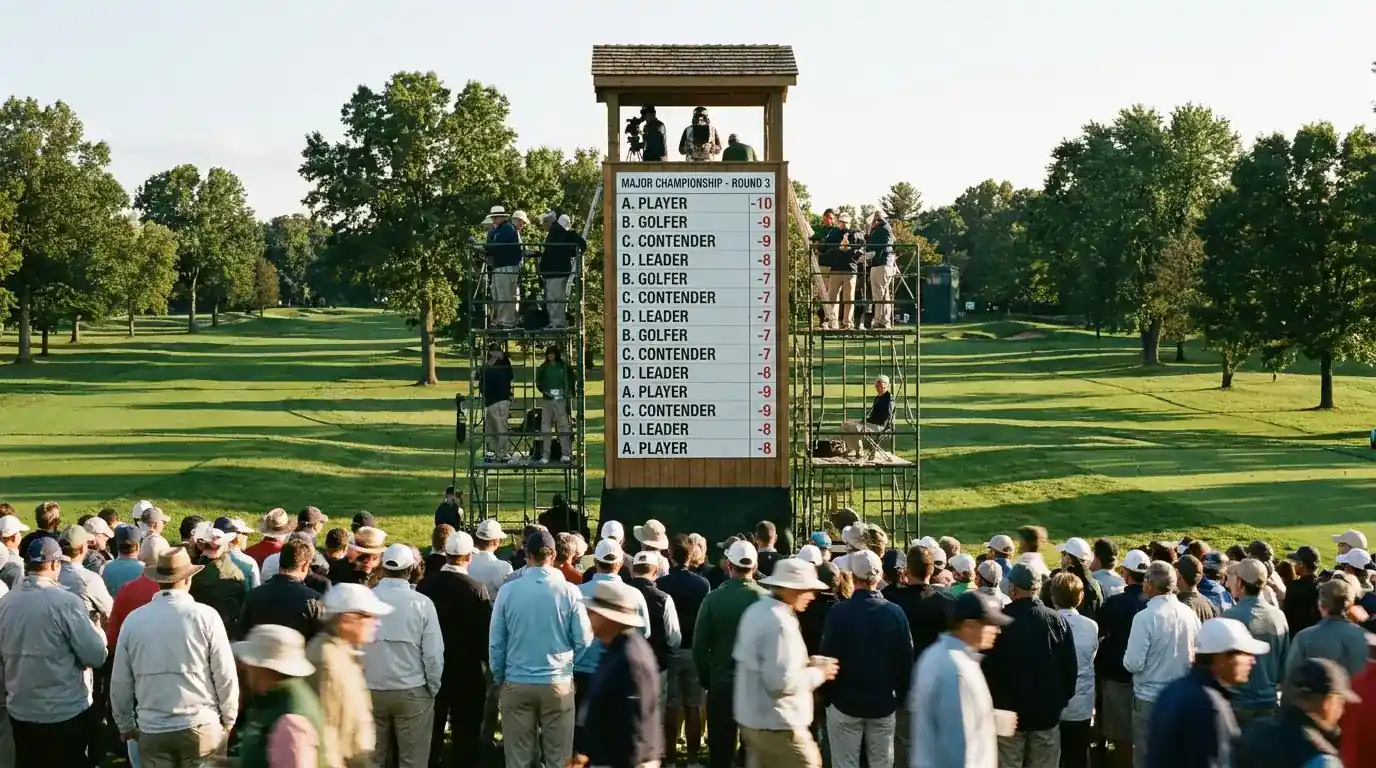
The mid-tournament shift to in-play markets is also worth a mention. The US PGA’s leaderboard tends to compress between Thursday and Saturday — there are rarely the runaway leads you see at the Masters. That means cash-out values on Saturday afternoon are usually less generous than at other Majors, and live in-play prices on the chasing pack hold their value better through the weekend.
The case for the second Major
The US PGA Championship doesn’t have the romance of the Open or the cathedral atmosphere of Augusta, and that ordinariness is its strength as a betting event. The field is honest, the format is clean, the each-way pool stretches further than at the US Open, and the venue rotation creates genuine pricing inefficiencies for punters willing to do the archetype work. It rewards process over instinct, and that’s the bet I’ll take every year — even if it doesn’t make for the most dramatic television.
The rotating venue is the main reason. Unlike Augusta or the typical US Open setups, US PGA hosts span very different course archetypes — coastal links-adjacent layouts, parkland bombers’ tracks and narrow east-coast classics. Each rewards a distinct player profile, and the lack of repeat venue data makes course-fit modelling more demanding than at the Major where the same course is used every year. The US PGA invites 20 PGA of America club professionals each year, but they have minimal effect on the betting markets. Their outright prices are listed at 2000/1 or longer and they rarely make the cut. The only market they directly influence is the bottom-of-leaderboard finishing position and some prop markets — they don’t compress prices on contending players.Why is the US PGA Championship harder to model than the other Majors?
Do club professionals in the field affect betting markets?
Created by the ”Golf bet” editorial team.