
Top 5, Top 10 and Top 20 Finish Betting in Golf: The Quiet Workhorse of UK Punters
 Available in US
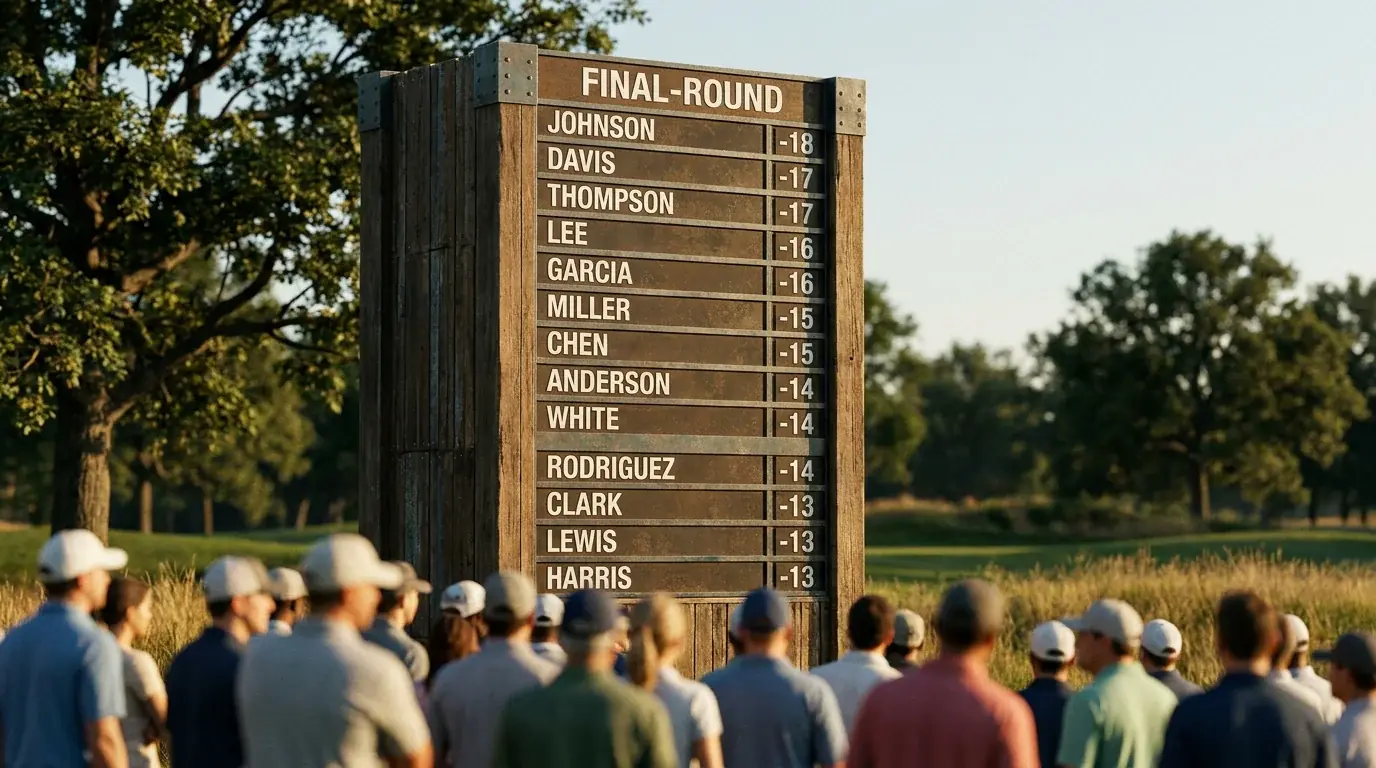
Top-finish markets are the bets I take most often and recommend least loudly. They don’t make the highlight reel. There’s no Twitter screenshot of a “Player X to finish top-twenty at 7/2” ticket landing on Sunday evening because nobody finds that story interesting. The market exists for punters who want to share in an outright narrative without taking on the impossibility of picking the winner from a 156-player field, and over nine seasons it has produced more consistent yield in my own ledger than outrights ever have. The market doesn’t seduce. It compounds. That’s why sharp UK punters quietly stack their Sunday slates with top-twenty plays while the casuals chase outright longshots and complain about variance.
How the Settlement Works
Top-N markets settle on the official final leaderboard position at the end of regulation play, or after playoff in the case of top-five and top-ten. The bookmaker pays out if your player’s final position is at or above the threshold — top-five means positions one through five, top-ten means one through ten, top-twenty means one through twenty.
Dead heat applies in the standard way at the cut-off line. A four-way tie at T20 with seventeen players already clear above produces a three-place spillover among four claimants — effective stake equals original stake multiplied by three-over-four, so 0.75 of the original goes through the dividend. The formula bites the same way it does in each-way settlement, and at the deep end of a 156-player field where 28 separate exemption categories produce dense leaderboards, the deeper top-N markets see more dead-heat dilution than the shallower ones.

Playoffs complicate top-five and top-ten settlement at the top of the leaderboard. If two players are tied for first at the end of regulation, the playoff loser is officially T2 — not co-winner. Top-five tickets covering the playoff loser still settle as winners. Top-five tickets covering the playoff winner also settle as winners. Both players land inside the top-five threshold either way. This is the most common confusion I see in inboxes during Major weeks.
Three Markets, Three Different Bets
Top-five and top-twenty are not the same bet with a different number on the front. They behave structurally differently and reward different selection logic.
Top-five is functionally similar to backing each-way outright with a five-place market — the realised probability is roughly the place leg of an each-way bet without the win leg. The payouts are accordingly lower than each-way, but the staking discipline is cleaner because there’s no win-stake hedge embedded in the ticket. Top-five suits punters who want exposure to contention without the variance of needing the outright. Pricing on top-five tends to be tight on the marquee names and looser on the mid-tier outsiders.

Top-ten is the central workhorse. It’s the deepest-liquidity finishing-position market on the UK landscape, the most evenly priced across operators, and the market where I do most of my volume across a season. Selection logic centres on players ranked roughly 25 to 60 in the world who have a course-fit angle on the specific week. Pricing is reasonable; the realised value per ticket is modest but reliable; the strike rate target is achievable.
Top-twenty is the longshot-friendly market. Players ranked outside the top-fifty get priced in the 5/1 to 12/1 range depending on form and course fit, and the realised hit rate on a careful selection set hovers around 20 to 25 per cent across a season. That’s substantially better than the implied probability at the headline odds. The structural inefficiency sits at top-twenty because the market is less efficient — fewer sharp punters bet it, the operator margins are wider in nominal terms but smaller relative to the realised value, and the public attention is concentrated on outrights and top-fives.
Top-N Versus Each-Way: Which Wins When
The decision rule that took me four seasons to internalise. Top-ten beats each-way with eight places paid when the win odds on your selection exceed about 30/1. Each-way with eight or ten places paid beats top-ten when the win odds are 20/1 or shorter.
The arithmetic. Each-way captures the win leg as well as the place leg. On a 50/1 outsider, the win leg pays at the full 50/1 — £5 × 51 = £255 on a £10 each-way that wins. Top-ten on the same player pays whatever the top-ten price is, perhaps 8/1 or 9/1 — a single dividend if the player finishes inside ten. The each-way ticket has structurally more upside on rare wins. The top-ten ticket has a marginally higher strike rate at the place line because the bookmaker isn’t bundling a low-probability win component into the offering.

The crossover is real and worth modelling once for your typical stake sizes. The mechanics of how the place leg is constructed, the role of place fractions and the relevant smallprint variations across the UK market are covered in detail in my main piece on each-way golf betting, which sits as the natural companion read to this article.
How Major Weeks Shift the Calculation
At the Majors, top-N pricing diverges from regular-event pricing in ways worth knowing. The Masters runs a smaller field — roughly 89 invitees — which compresses the top-twenty into a much higher percentage of the field. Top-twenty at The Masters is roughly the top quartile; at a standard 156-player tour stop it’s the top thirteen per cent. Pricing reflects that compression — top-twenty odds at The Masters are typically half the headline number you’d see for the same player on a regular tour stop.
The Open Championship, with 156 players and roughly 65 per cent of the field arriving via 28 separate exemption categories, behaves more like a deep-field PGA Tour event for top-N pricing. The 46 places that flow through the Open Qualifying Series produce a longer tail of outsiders priced at 100/1-plus, and the realised top-twenty rate for that tail is meaningfully lower than the implied probability suggests. Mid-tier exempt players in the 33/1 to 80/1 outright range carry the best top-twenty value at The Open most years.
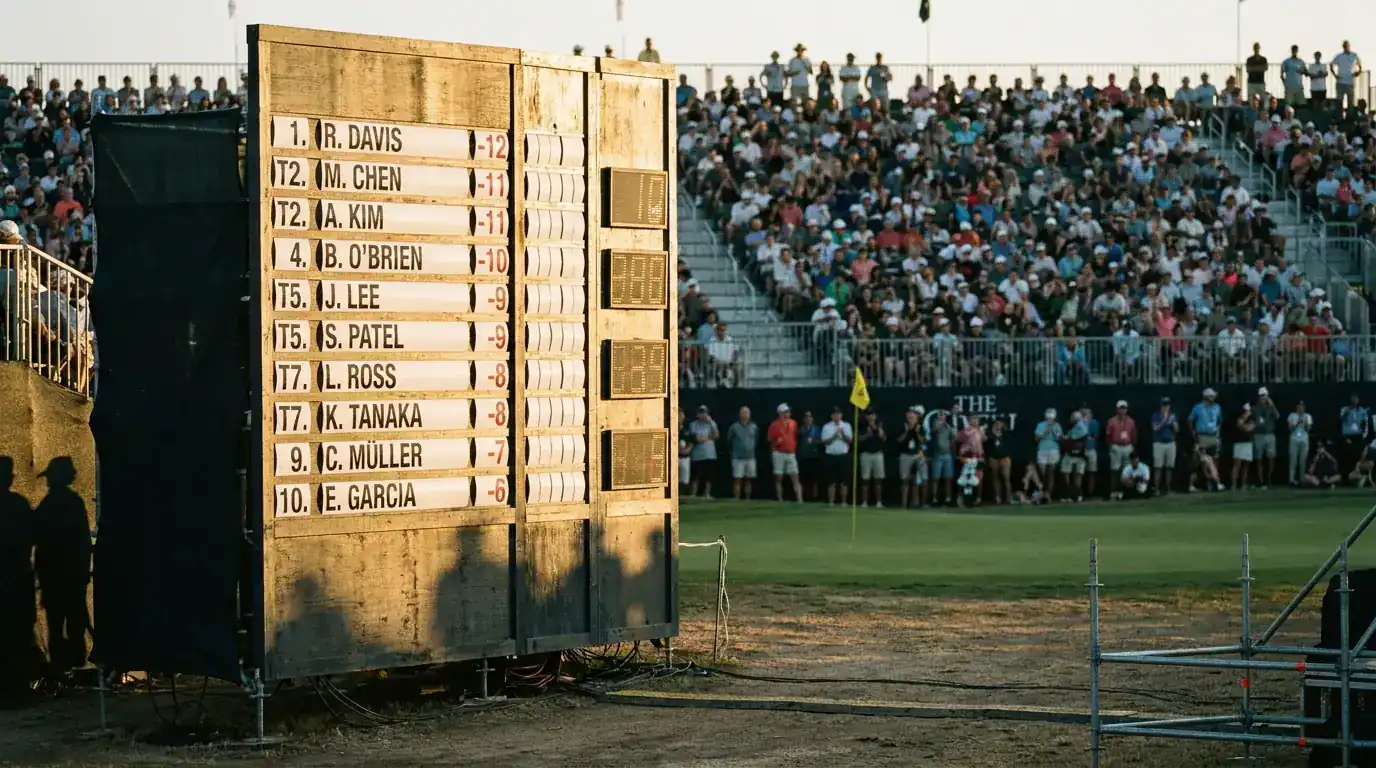
The US Open’s penal setup compresses scoring and reduces the gap between the top-twenty and the bottom-twenty of the cut. Top-twenty markets at the US Open are more bunched in price than at any other Major, which makes mid-tier selections the structurally correct play more often than at the other three events.
Where the Sharp Edge Lives on Top-20
The single most reliable edge on top-twenty markets is backing established grinders at venues with penal setups. Players whose career profile is built on consistency rather than peaks — historical examples include Hideki Matsuyama, Adam Scott, and a handful of mid-thirties European tour grinders — convert top-twenty tickets at strike rates 20 to 30 per cent above their headline odds when the setup punishes risk-taking.
Why this works. The bookmaker’s pricing engine weights recent form and OWGR heavily. It weights career consistency profile less. A player who hasn’t won a tournament in eighteen months but has finished top-twenty in 60 per cent of his starts during that window is structurally underpriced on top-twenty markets. The model sees “no recent victories” and shades the price. The realised data sees “consistent top-twenty conversion” and rewards the patient punter.

I track a watchlist of roughly twenty players across the PGA Tour and DP World Tour who fit this profile. The watchlist updates quarterly. The cumulative top-twenty yield from that list over the last three seasons has been comfortably positive — the kind of slow, low-volatility return that doesn’t make highlight reels but pays the season’s worth of variance budget on the louder markets.
Sizing the Workhorse Market
The combination of moderate odds, moderate strike rate and reliable yield means top-N markets sit in the middle of the staking-discipline spectrum. 1 to 2 per cent of bankroll per ticket on top-ten plays, slightly higher (1.5 to 2.5 per cent) on top-twenty selections from the grinder watchlist where edge analysis supports the larger size. Top-five tickets, where strike rate is lower and odds are longer, sit at the lower end — 0.5 to 1 per cent per ticket.
A £2000 bankroll runs top-ten tickets at £20 to £40, top-twenty at £30 to £50, and top-five at £10 to £20. The discipline is in not stacking five top-twenty tickets on the same event — variance compounds when correlated selections converge on the same Sunday. Two or three top-N tickets per event is the upper limit; more than that and you’re not betting positions, you’re betting field composition, and the variance budget breaks down.

What’s the difference between a top-10 finish bet and an each-way bet?
A top-10 finish bet pays a single dividend if your player finishes anywhere in the top ten. An each-way bet pays the win leg at full odds if your player wins, plus the place leg at the fraction if your player finishes in the paid places. Each-way captures the upside on a rare outright win; top-10 captures the place return more cleanly without the embedded win cost.
Does top-5 cover a playoff loser?
Yes. Top-5 settles on the official finishing position. A player who loses a playoff is recorded as T2 in the official standings, which is comfortably inside the top-5 threshold. Top-5 tickets covering either side of a Sunday playoff settle as winners regardless of who eventually wins the sudden-death holes.
Written by the editors at Golf bet.