The Dead Heat Rule in Golf Betting: Why Tied Positions Cut Your Payout
 Available in US

The first time dead heat hit me hard was a Sunday afternoon at Pebble Beach back in 2018. I’d backed a mid-priced contender each-way at 33/1, he finished tied for sixth in a five-way deadlock, and the place market paid seven. I was already mentally spending the return. The settlement arrived at roughly half what I’d scribbled on a beer mat ninety minutes earlier.
That’s dead heat in a sentence: the one rule in golf betting that fires automatically, almost always cuts your return, and gets misread more often than any other line in a bookmaker’s terms. Football has no equivalent. Horseracing has it, but rarely in the bunched configurations golf throws up every Sunday. With 156-player fields, packed leaderboards and place markets that pay anywhere from five to ten positions, ties at the cut-off line aren’t a quirk — they’re the median outcome on a competitive weekend. After nine years of analysing these settlements, I can tell you the formula is trivial. The misapplications are not.
When the Rule Actually Kicks In
A reader emailed me last spring convinced his outright winner had been “dead-heated” because his man finished joint top of the regulation 72 holes before losing the playoff. He hadn’t been. Outrights settle on the playoff result, full stop, and that confusion costs people money every season — usually in the form of complaints to customer support that go nowhere.
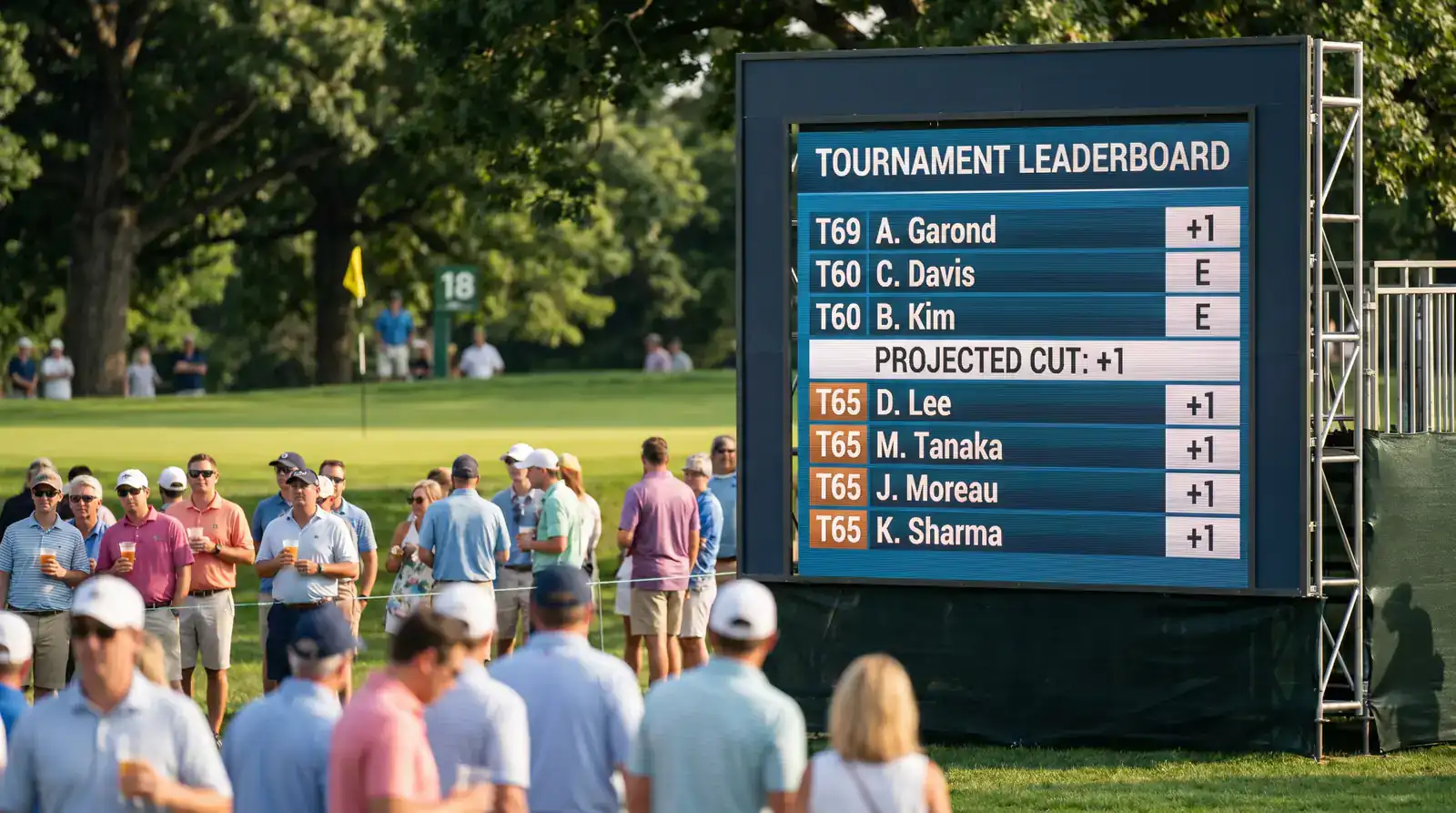
Dead heat fires only in markets where the bookmaker pays a fixed number of finishing positions and more players occupy the cut-off line than there are slots left to fill it. In golf that covers most of your betting menu. Each-way returns are the obvious case: if ten places pay and twelve players tie at T10, every player from T1 through T9 collects in full, and the two remaining slots get shared among whoever’s tied at the bottom. Top-five, top-ten, top-twenty and group-winner-top-N markets all behave the same way — they’re all positions-paid markets and they all answer to the same maths.
Where dead heat does not apply: the outright winner market, head-to-head matchups, group-winner-first markets, and most discrete prop markets. Outrights are decided by playoff. Matchups settle on the stroke differential within the pair, with deadlock rules in the T&Cs that usually return the stake. So before you fire off an angry tweet about an unfair settlement, check what market type you actually held — easily half the dead-heat-injustice stories I see online aren’t dead heat at all.
The Formula in Plain English
I’ve kept the same scrap of paper pinned to my desk for nearly a decade. Four lines, the dead heat formula plus three example payouts. Every January when I rebuild my models, that scrap is the first thing I copy across. The formula itself is trivial. The mistakes are always in applying it.
Here’s the whole thing: your effective stake equals the original stake multiplied by the number of paid positions still available at the tied line, divided by the number of players sharing that line. Then the bookmaker applies your normal place dividend to that smaller stake. Symbolically — effective_stake = stake × (positions_remaining ÷ players_tied).
Worked example, the kind you’ll see most weeks. £10 each-way at 25/1, place fraction 1/5, bookmaker pays five places. Your player finishes joint fifth alongside one other player. Two players, one remaining place. Effective place stake — £5 × (1 ÷ 2) = £2.50. Place return — £2.50 × (25/5 + 1) = £2.50 × 6 = £15. Win leg lost. So from a £20 total outlay you’re back at £15 — a £5 loss on a 25/1 each-way that technically “placed”. The instinct, especially when you’ve watched the closing nine and felt the dopamine, is to expect something in the £40 region. The arithmetic says otherwise.

The same shape applies to top-N markets. If you’ve taken top-ten at 7/2 and your player is one of three sharing tenth with seven already clear above, only one paid slot is up for grabs and your effective stake collapses to a third. People always quote the headline odds when posting the betslip. They rarely post the settlement adjustment that lands twelve hours later.
A Triple Tie at Seventh, Worked End to End
This exact configuration came up at the 2023 RBC Heritage. Three players tied for seventh when seven places paid. I’d backed one of them — small stake, casual ticket — and the settlement screenshot has served as a teaching example for at least a dozen newer punters since.
Set the parameters: £10 each-way at 25/1, fraction 1/5, place market pays seven. Six players sit clear in positions one through six. Three players share T7. One place remains at the seventh slot, three claimants. Effective place stake — £5 × (1 ÷ 3) = £1.667. Place dividend at 25/5 = 5/1, so £1.667 × (5 + 1) = £10.00. Add the original place stake portion that’s returned with the dividend — £10 in total comes back on the place leg. The win leg lost, so the £5 win stake is gone. Net position from a £10 each-way outlay — £5 loss on a “placed” ticket at 25/1.

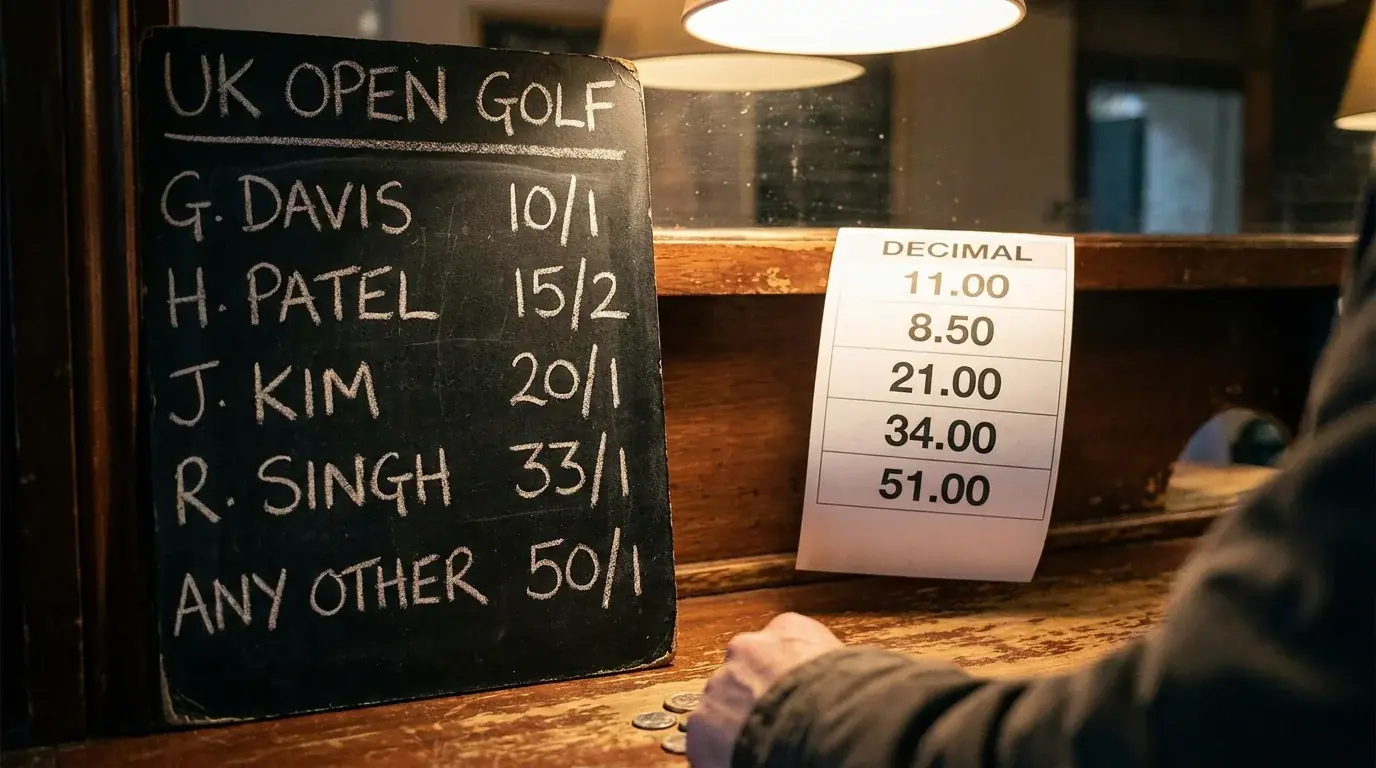
The trap I see repeatedly — punters expect the “5 of 7 stake reduction” headline they read on a forum, which only applies in a different sub-case where the tied line falls early enough that multiple paid positions are still available. The real formula is positions remaining at the tied line divided by players tied, and that can absolutely produce 1/3, 1/4, 1/5 or worse. With 156-player fields at events like The Open Championship, where roughly 65 per cent of the field arrives via 28 separate exemption categories and another 46 spots come through the Open Qualifying Series, deep dead-heat ratios at the bottom of the place market are routine, not exceptional. The longer the bottom of the leaderboard runs at the same score, the harder the formula bites.
Where the Smallprint Diverges
I’ve audited my own settlements at four different UK operators across the last three seasons. The formula is identical at all of them. The rounding rules are not.
This is the seam where money quietly leaves your wallet. Most UK bookmakers settle dead-heat returns to two decimal places, rounded down to the nearest penny. A handful round the effective stake first, then apply the dividend — which produces a slightly different number when the division is awkward. On a £10 ticket it’s pennies. On a £200 stake at a Major it can be a tenner. The relevant clause is spelled out in the T&Cs but usually buried under “settlement of bets” rather than under “each-way” or “dead heat”, which is where you’d instinctively look.
A second divergence — how the bookmaker handles the place fraction inside the dead-heat-adjusted return. Some apply the fraction to the adjusted stake. Others keep the place fraction at its original value and apply it before the dead-heat division. Either method is allowed under UKGC settlement guidance — the operator just has to publish which one they use. So before you commit a serious ticket at a Major, dig the relevant clause out. While you’re there, the broader question of how each-way fractions are applied across UK books is worth pricing into your operator choice well before tee time.
The Extra-Places Trap
Extra-places promos look like free money on a Wednesday. They almost always cost you something on the Sunday settlement.
Here’s the mechanic that gets missed. A promo extends the paid positions from, say, five to eight. Lovely. But the eighth place is statistically the most likely position to attract a multi-player tie, because by the bottom of the place market the leaderboard is denser — the field has narrowed, scores cluster, and the gap between fortieth and seventieth in a given week tends to be tiny. So your “free” extra paid place comes with a structurally elevated dead-heat exposure. I’ve run the rough numbers across a full season of regulation finishes — the marginal expected value from extra places, after dead-heat dilution, is typically positive but smaller than the headline implies.
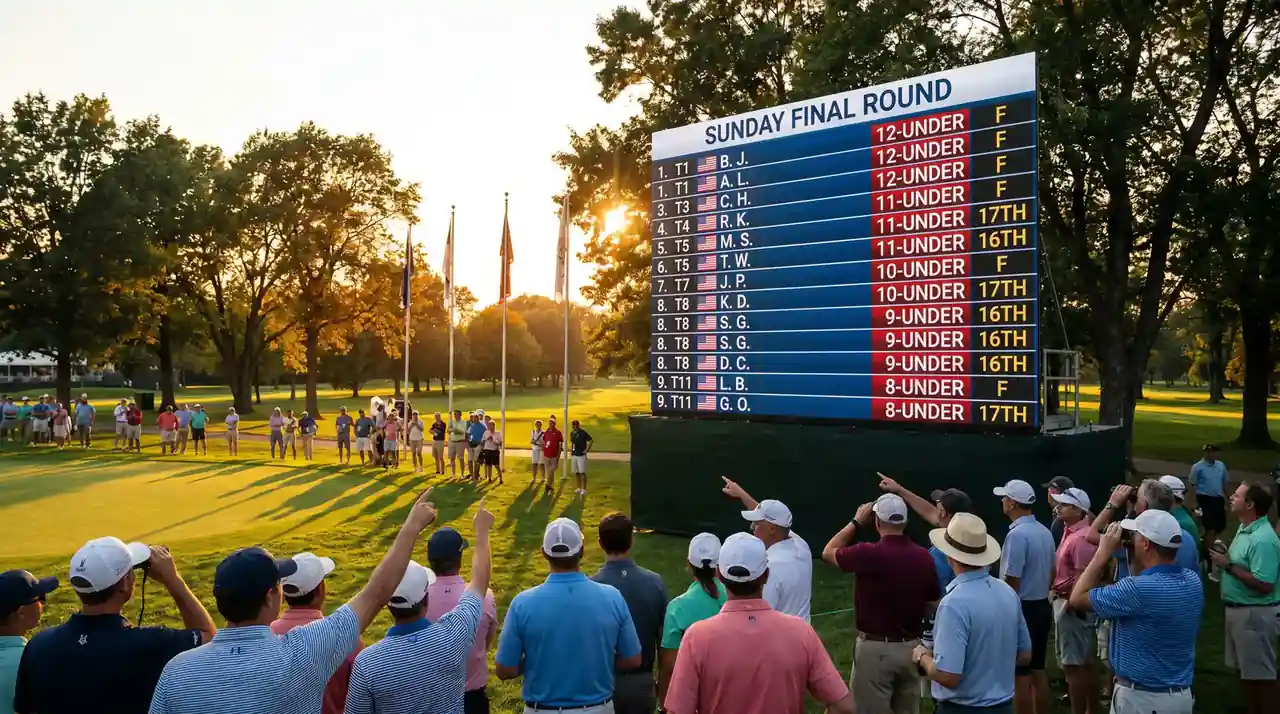
The deeper the tie cluster you’d expect at that position, the less the extra-places premium delivers in practice. Promos extending five to six or six to seven on a deep-field event usually deliver more, slot for slot, than promos extending five to ten on a small invitational where the bottom of the place market is rarely contested. Less is sometimes more.
A Four-Field Mental Calculator
I don’t carry a spreadsheet onto the sofa on Sunday afternoon. The mental version is faster and good enough for in-flight ticket reading.
Four fields — your stake, the win odds, places paid, and the tied count at the cut-off line. Halve the stake; that’s the place portion. Multiply by positions remaining over players tied. Apply the place dividend, which is win odds times the fraction, plus one for the stake return. That’s your number.

Speed run. £20 each-way at 40/1, fraction 1/5, eight places paid, your player T7 with two players tied for the seventh slot when two paid positions remain available. Half stake — £10. Adjusted — £10 × (2 ÷ 2) = £10, no reduction. Place dividend — £10 × (40/5 + 1) = £10 × 9 = £90. Win leg lost, so from a £20 outlay you’re back at £90 — a £70 profit on a “placed” ticket. Same arithmetic, friendlier shape, because both remaining positions happened to be available. The lesson — the cut-off line position relative to the paid count matters as much as the size of the tie itself. Run the four-field check before you start celebrating, and you’ll never be surprised by a settlement again.
Does dead heat apply to outright winner bets?
No. The outright winner market settles on the playoff result, never on the regulation 72-hole finish. If two players are tied after Sunday’s final hole, the bookmaker waits for the sudden-death or aggregate playoff and pays the winner only. Dead heat only fires on markets that pay a fixed number of positions.
Why is my dead heat refund less than half the expected payout?
The formula divides your effective stake by the number of players tied at the cut-off line. When five players share a single remaining paid position, your effective stake is one fifth of the original — not one half. The ‘less than half’ result is normal whenever three or more players are tied at the line.
Published by the Golf bet team.