
UK Affordability Checks £150: What Every Golf Bettor Needs to Know
 Available in US

The first affordability check I received came on a Wednesday afternoon ahead of a Masters week. I’d been a customer of that firm for over a decade, my account history was clean, and the email asking for proof of income still arrived. By the time I’d gathered the documents and uploaded them, my pre-tournament outright bets were two days behind schedule. That was the moment I started taking the regulatory side of UK golf betting as seriously as the analytical side. This piece is what UK golf punters need to understand about affordability checks, what the £150 threshold means in practice, and how to manage the process without disrupting your betting calendar.
What changed in 2025
A reader asked me last spring why his bookmaker was suddenly asking for bank statements when nothing about his betting had changed. The answer is that the UK regulatory framework changed in February 2025, lowering the threshold at which UK-licensed firms are required to perform light-touch financial vulnerability checks on customers.
The threshold previously sat at £500 net deposits per month. In February 2025 it dropped to £150 per month for the lighter financial vulnerability check, with the heavier enhanced check kicking in at higher thresholds depending on customer age and history. The £150 figure is a substantial reduction and it pulls a much larger share of UK golf bettors into the check process than the previous framework did.
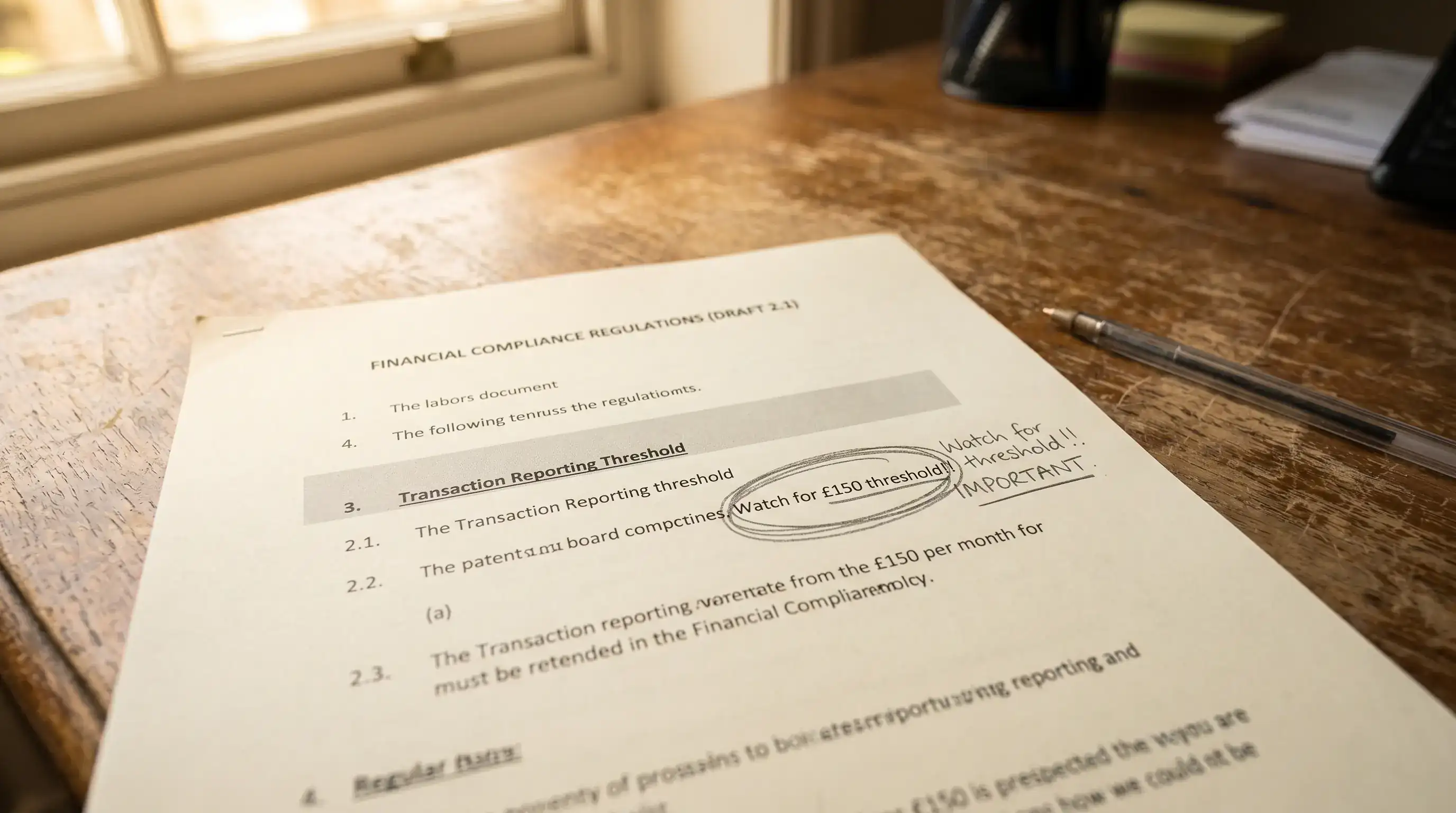
The mechanics are that UK firms now run automated checks at the £150 threshold using publicly available data — credit reference databases, electoral roll, basic financial vulnerability indicators. The customer typically doesn’t see anything during this check unless a flag is raised, in which case the firm contacts the customer for additional information.
What the check actually involves
The £150 light-touch check involves no document submission from the customer in most cases. The firm runs an automated query against the credit reference databases and the electoral roll, looking for signals of potential financial vulnerability — county court judgments, defaults, indications of significant indebtedness. For the majority of bettors, nothing visible happens and betting continues as normal.
If a flag is raised, the firm may contact the customer for verification. That contact typically takes the form of an email or in-app message requesting proof of income, bank statements, or other documentation supporting the customer’s ability to fund the level of betting being undertaken. The threshold for triggering this contact varies by firm but generally sits at higher net deposit levels — multiple hundreds of pounds per month, or higher for established customers.

The enhanced check, when triggered, is more intrusive. UK firms have asked for three months of bank statements, payslips, tax returns, or other formal income verification. The process is slower and the documentation more thorough. For most regular golf bettors, the enhanced check is the exception rather than the rule — but for higher-stake bettors, it becomes a recurring feature of the relationship with the bookmaker.
What happens after the check
Richard Wayman of the British Horseracing Authority has spoken publicly on the affordability framework’s impact, noting that the structure of the checks creates friction that pushes customers away from regulated firms. The same dynamic applies to golf bettors: a customer asked for documentation may choose to reduce stake size below the threshold, may switch to a different licensed firm, or in the worst case may move to unregulated offshore operators.
For the regular UK golf punter, the after-check experience falls into three buckets. First, no contact — the automated check found nothing concerning and betting continues. This is the majority experience. Second, light verification — the firm requests a single document, the customer provides it within a few days, and betting continues. Third, enhanced verification with restrictions — the firm requires more substantial documentation and may impose deposit limits or stake limits until verification is complete.

The financial impact on golf-specific betting has been measurable but modest. UK horseracing turnover dropped roughly 8 percent to £11.5 billion in the year to March 2025, with industry figures partly attributing the decline to the affordability framework’s effect on customer behaviour. Golf has seen smaller absolute effects because the average stakes are lower, but the structural dynamics are identical.
Impact on Major championship weeks
Major championship weeks are the moments when the £150 threshold matters most for UK golf bettors. The combination of higher pre-tournament stakes, extra-places promotions, in-play betting on the weekend rounds and matchup markets can push a normally-modest bettor over the threshold across a single tournament cycle.
I’ve found the Open Championship to be the most likely week to trigger checks because of the combination of long ante-post positions, extra-places each-way bets and in-play matchup activity. A bettor who normally stakes £40 to £60 a week can easily reach £200 across a single Open week if they’re spreading bets across multiple markets and firms. Multiple firms each running their own £150 checks means several near-simultaneous verification requests.

The practical implication is to be prepared. If a Major week looks like it will push above the threshold, having recent payslips and bank statements ready saves a frustrating mid-tournament scramble. I keep a folder of recent financial documents updated quarterly precisely because I learned the hard way that getting locked out of an outright market on Saturday afternoon for missing paperwork is not how I want to spend a Major weekend.
Consumer rights and the framework
UK customers have specific rights within the affordability framework. The firm must explain what documentation is required and why. The firm cannot demand documentation that goes beyond reasonable financial vulnerability assessment. The customer has the right to appeal restrictions imposed by the firm. The Gambling Commission acts as the ultimate regulator and customers can escalate disputes through their channels.
The broader regulatory architecture is something I’ve covered in detail in my piece on UK golf betting regulation, where the affordability framework sits alongside Remote Gaming Duty changes, integrity monitoring and the GAMSTOP self-exclusion system. The affordability checks are one component of a regulatory framework designed to balance customer protection with continued operation of the licensed sector.

What the framework does not give the customer is a right to bet without verification. UK-licensed firms must comply with the checks; refusing to provide reasonable documentation will result in account restrictions or closure. The framework is structurally protective rather than punitive — the goal is to identify customers experiencing financial vulnerability before harm escalates.
Responsible budgeting within the framework
The numbers around problem gambling in the UK have shifted the regulatory landscape. Around 5 million UK adults want to cut or stop betting, and 30 percent of young adults report the same intention. The PGSI score data indicates 16 percent of UK adults experience some level of gambling-related impact, with 8.1 percent of others affected through the bettor’s behaviour. The affordability framework exists because the numbers behind it are substantial.
For the individual golf bettor, the right response to the affordability framework is honest budgeting before betting begins. If a £150 threshold feels restrictive on a normal week, that’s a signal worth examining rather than an obstacle to route around. The framework’s threshold is set at a level that, for most UK adults, represents a meaningful share of disposable income — and the framework’s premise is that betting above that share warrants checking.

The practical advice I’d give to UK golf bettors is to budget for an annual betting spend and divide it by twelve to get a monthly figure, then operate within that figure rather than chasing weekly results. Major weeks may run slightly over the monthly figure; quieter weeks should run under. Across a calendar year, the budgeted total stays intact. The £150 threshold is then a regulatory check rather than a binding constraint on most bettors’ actual activity.
Practical steps for golf bettors
Three concrete habits make the affordability framework less disruptive to golf betting. First, keep an organised folder of recent financial documents — three months of bank statements, recent payslips, most recent P60 if employed, or basic accounts if self-employed. Updating quarterly takes thirty minutes and saves significant friction if checks are requested.
Second, monitor net deposits across firms. The £150 threshold applies at each firm individually, but the cumulative deposit pattern across multiple firms tells you what your actual betting spend looks like. If three firms each see £100 monthly deposits, the underlying spend is £300 even though no single firm has triggered a heavier check. That’s worth knowing for personal budgeting purposes.

Third, respond promptly to verification requests. Delayed responses can escalate to account restrictions; rapid responses generally resolve within 48 to 72 hours and restore full account function. The UK firms have invested in their verification workflows and prompt customers usually get prompt resolutions.
Living with the framework as a golf bettor
The affordability framework is not going away. The political momentum behind customer protection has only strengthened since the 2023 White Paper and the February 2025 threshold change, and the direction of travel is towards more rather than fewer checks. UK golf bettors who treat the framework as a permanent feature of the landscape rather than as a temporary inconvenience will have a better experience than those who try to route around it. Honest budgeting, prepared documentation, and prompt responses to verification requests turn the framework into background administration rather than ongoing disruption. The betting analysis stays the same; the operational side just needs a slightly more deliberate workflow.
The affordability threshold is calculated on net deposits to the bookmaker account, not on individual stake size or bet type. Each-way doubles and accumulators count toward the deposit total in the same way as single bets. A bettor placing a £50 each-way double is depositing £100 to fund the bet, and that counts toward the £150 monthly threshold like any other deposit. Refusing to provide reasonable documentation when a UK-licensed firm requests it will generally result in account restrictions or closure. The firm is legally required to comply with the regulatory framework and cannot continue accepting unverified deposits above the threshold. Customers retain the right to close their account voluntarily without providing documentation, but maintaining an active account requires compliance with verification requests.Are each-way doubles and accumulators affected by the affordability threshold?
Can I refuse to provide documentation and still keep my account?
Written by the editors at Golf bet.