Live In-Play Golf Betting: How the 5-Minute Odds Window Really Works
 Available in US

Live betting on golf is the closest thing the UK punter has to trading equities on Sunday afternoon. Prices move between groups, sometimes between shots, and the speed at which a leaderboard reshuffles after an unexpected double-bogey on the back nine can make or destroy a ticket in the time it takes to refresh the app. After nine seasons of working live golf markets, I’ve come to think of it less as a betting market and more as a slow exchange — one where the latency between physical event and price update creates structural windows of mispricing that sharp punters exploit while everyone else watches the leaderboard graphic on the television. The mechanic isn’t complicated. The discipline required to exploit it without tilting yourself into the ground absolutely is.
The Data Pipeline Behind the Five-Minute Window
Most UK operators source their in-play golf data from IMG Arena, which holds the official PGA Tour data rights and distributes a near-real-time feed to licensed sportsbooks. The feed updates as shots are completed and scores are entered into the ShotLink system on the course. From shot completion to bookmaker odds update, the typical end-to-end latency lands in the 90-second to 4-minute range during normal play.
That window expands when something unusual happens. A play suspension for weather. A ruling that delays scoring. A scoring official disputing a player’s submitted card. During any of these events the feed pauses, the bookmaker’s pricing engine stops receiving updates, and the public-facing odds either freeze in place or get suspended outright. Operators handle suspension differently — some hold the existing line and let punters keep betting at the frozen price, others suspend the market entirely until the feed resumes. Read the suspension clause in the terms before you commit to a serious in-play position.
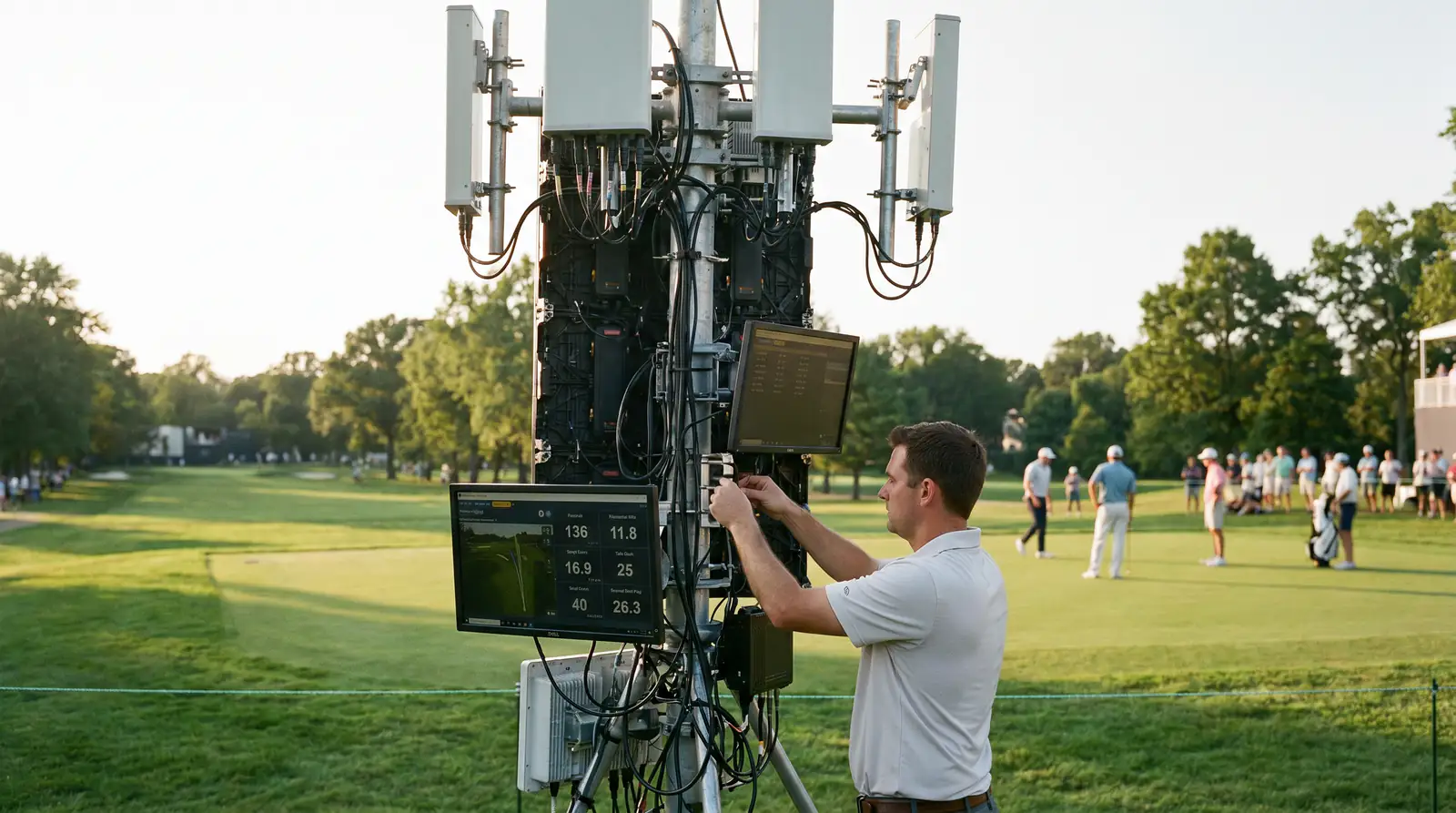
The implication for the punter. The leaderboard graphic on your television is closer to real-time than the bookmaker’s odds engine, because the broadcast pipeline runs at roughly 30 to 90 seconds of delay from the actual shot. So the punter watching live TV sees a leaderboard event 1 to 3 minutes before the bookmaker’s odds reflect it. That window — short, narrow, but reliably present — is where the structural edge sits.
What’s on the Live Menu
The live golf market is broader than casual punters realise. The headline markets you’ll see in any UK app:
Current round leader. Whoever’s at the top of the leaderboard at the end of the round in progress. Updates between shots; tightens dramatically as the round closes; carries dead-heat exposure on ties at the lead. Liquidity is high during the back nine on Sunday.

Top-five after round three. The cleanest mid-tournament market for backing late-week contenders. Settles at the close of Friday’s play in regular tour events and the close of Saturday’s play at Majors. The market opens Thursday morning and runs continuously until settlement.
In-play head-to-head matchups. Live versions of the Saturday and Sunday weekend pairings, settling on the round score for the pairing being played. Pricing moves shot by shot during the round; this is the most volatile of the live markets.
Hole-by-hole props. Some operators offer specific props on individual holes — “will player X make birdie on hole 16?” — with prices updating between groups. Liquidity is thin; pricing is rough; this is the most operator-dependent of the live markets. The UK online betting market handled roughly 290 million online wagers per month on real-event sports in 2025, and a meaningful share of that volume sits in hole-by-hole props during high-attention tournament weekends.
Where the Edge Actually Lives
The exploitable window opens between a shot landing on screen and the bookmaker’s odds adjusting to reflect the result. For a casual scenario — a player attempts a long putt for eagle on hole 15 to take the lead. The putt drops. The leaderboard graphic on the broadcast updates within 60 seconds. The bookmaker’s current-round-leader market may take another 2 to 3 minutes to fully reprice the new leader. During that 2 to 3 minute window, the price on the new leader is still the price it held when he was three back, not the price it should hold now that he’s tied at the top.
The execution is straightforward in concept and brutal in practice. You need to watch the live broadcast, identify the leaderboard event the moment it happens, place the ticket while the price is still at its pre-event value, and accept that the operator’s price-engine catches up within minutes. The window is rarely more than three minutes. Operators that have integrated faster price-update technologies are closing the window further every season.
Where the edge survives — at lesser-attention moments during a Major’s middle rounds, where the price-engine’s resource allocation is thinner and the latency runs longer. A leaderboard event on hole 7 on a Friday afternoon at a Major attracts less price-engine attention than the same event on the 18th green on Sunday. The marginal sharp punter does most of his volume Friday afternoons and Saturday mornings, not Sunday backstretch.
Why Golf Doesn’t Behave Like Football In-Play
The biggest structural difference between live golf and live football is the discrete-event nature of golf. A football match is continuous play with constant price updates; volatility is smooth. A golf round is a sequence of discrete shots, with most of the action happening at the green where birdies, bogeys and pars get decided. Pricing volatility in golf is concentrated at the moments shots are completed, with relatively flat pricing between groups.
The implication. Sharp moves in live golf happen during the few minutes around shot completion, not during the long stretches between shots. Trying to “trade” live golf the way you’d trade live football — looking for momentum, riding trends, layering positions — usually loses money because the price isn’t really moving most of the time. The discrete events are when the price moves; the rest is dead time.
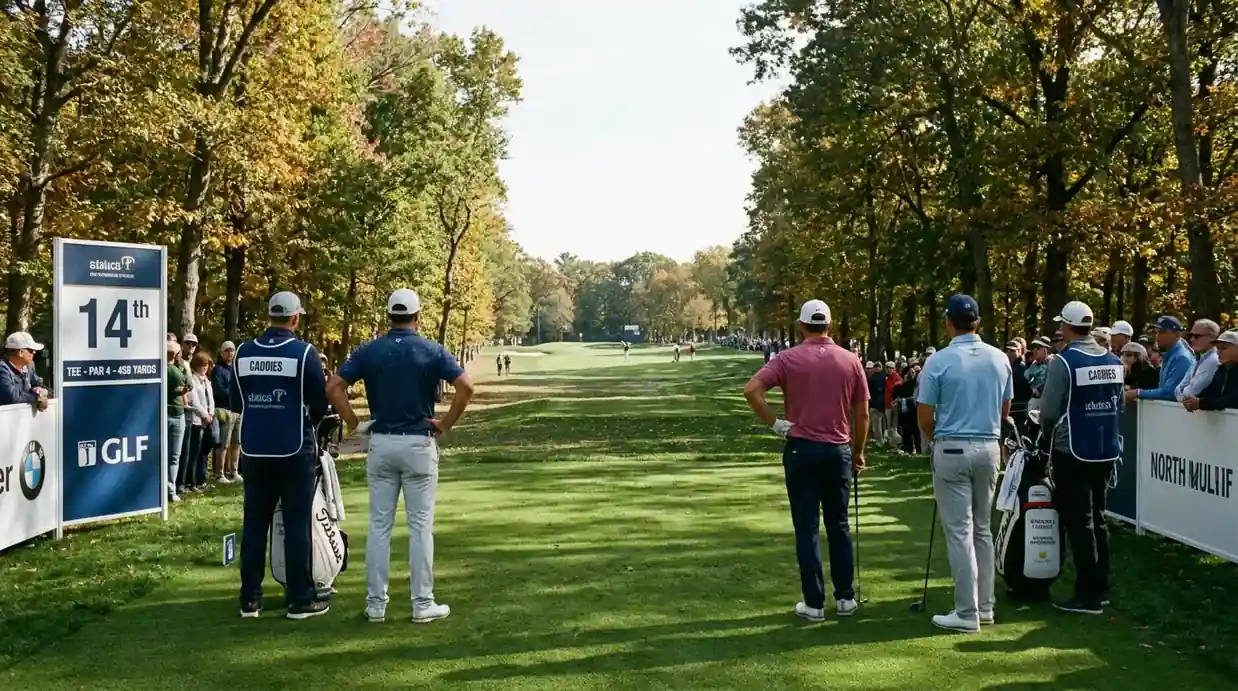
The other difference. Golf has no leaderboard symmetry — a player gaining one stroke isn’t structurally equivalent to a player losing one stroke. The market price reflects this asymmetry, which is why backing the leader on a hole-by-hole basis often produces worse value than backing the chaser who’s two strokes back and trending upward. The structural edge on live golf sits on the chaser side more often than the leader side, especially in the middle rounds where prices on the favourites compress aggressively.
When to Lock In Through Cash-Out
Live cash-out is the operator’s hedging product applied to your open position. The bookmaker offers a price at which you can settle the ticket immediately rather than waiting for the official result. The offered price is always below the fair value of the remaining position by the operator’s margin — typically 5 to 10 per cent of the fair value in golf, which is wider than the equivalent margin in football live cash-out.
When the cash-out makes sense. When the operator’s offer crosses 70 to 75 per cent of your maximum potential return on a position that’s gone strongly in your favour. Below that threshold the realised expected value of holding the ticket through to settlement is higher than the cash-out price. The mechanics of when to take partial versus full cash-out, and the broader interaction between cash-out timing and ticket type, are unpacked in detail in my piece on cash-out on golf bets.

The Tilt Traps Every Live Punter Falls Into Eventually
The single most expensive live betting mistake is the tilt-driven ticket placed immediately after a bogey on the player you’ve backed outright. The reaction is universal — your man drops two shots, you want to “recover” the position by backing the new leader at live odds, and the operator’s pricing engine has fully captured the leaderboard shift in the meantime so the price you’re getting on the new leader is structurally fair or slightly worse than fair. The recovery instinct is bankroll suicide in slow motion.
The second trap. Backing the field too late in the round. Live odds compress sharply as the round closes — a player who’s 7/4 to win the round at the turn might be 1/2 to win the round by the time he’s standing on the 17th tee with a one-shot lead. The implied probability climbs fast, and the residual value on backing him at 1/2 is structurally negative once the operator’s margin is layered in. The right time to take a live position is when the leaderboard event has just happened, not when the round is winding down.
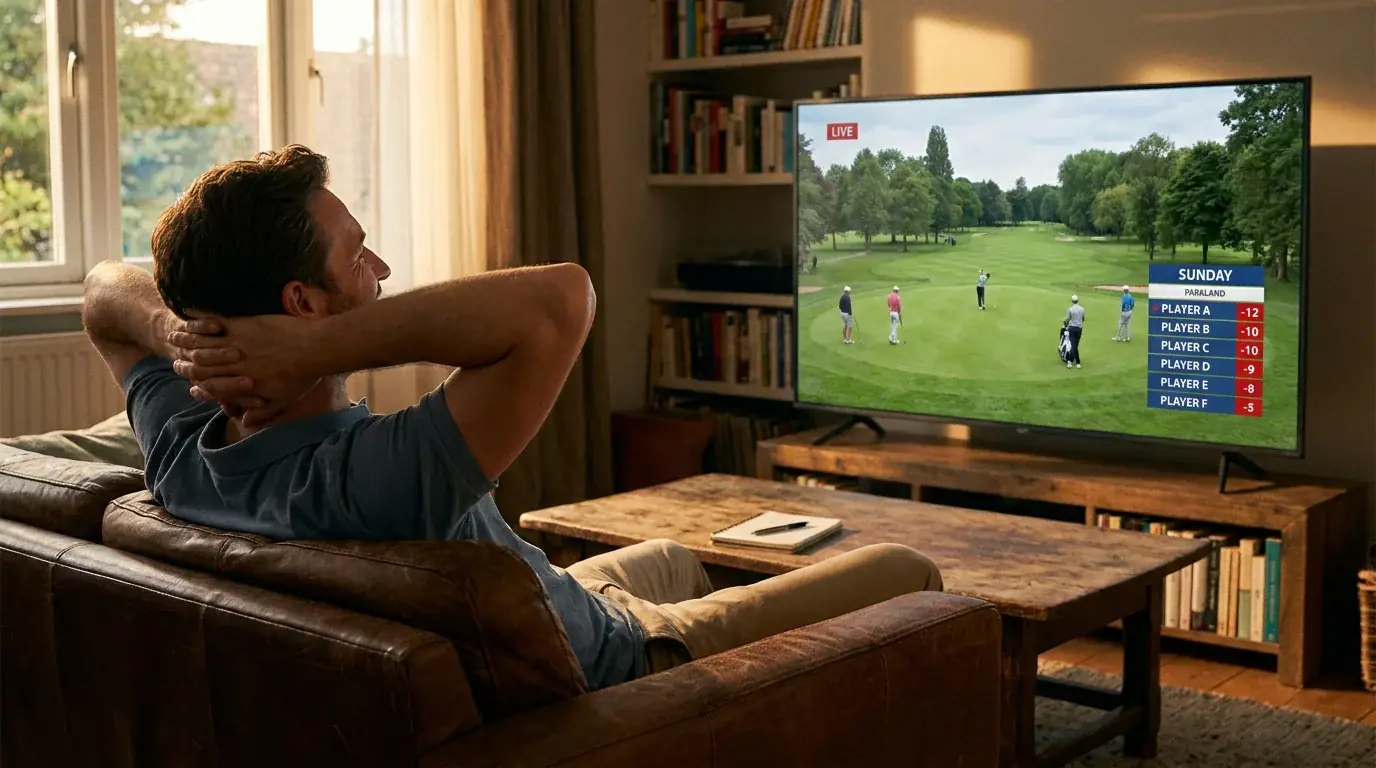
The third — overestimating your own latency edge. The TV-to-bookmaker window is real but small. Sharp punters working live golf at scale use direct data feeds rather than broadcast television. The retail edge is more limited than the social media commentary suggests; treat the window as a tactical opportunity on selected events rather than a continuous trading strategy. Discipline, again, beats opinion on the markets that move fastest.
Why do live odds freeze during a round?
The most common reason is a pause in the data feed, usually triggered by weather suspensions, ruling disputes, or a scoring official holding a card under review. Operators either freeze the existing line and continue accepting bets at the frozen price, or suspend the market entirely until the feed resumes. The operator’s suspension policy is published in the terms; it’s worth knowing before a serious in-play position.
Can I bet live during a darkness suspension?
No. When play is suspended due to darkness or weather and the round will resume the following day, in-play markets close. The operator typically reopens the markets when play resumes the next morning. Pre-tournament markets remain open in the meantime, but the live-betting menu sits paused until the relevant round restarts.
Created by the ”Golf bet” editorial team.